
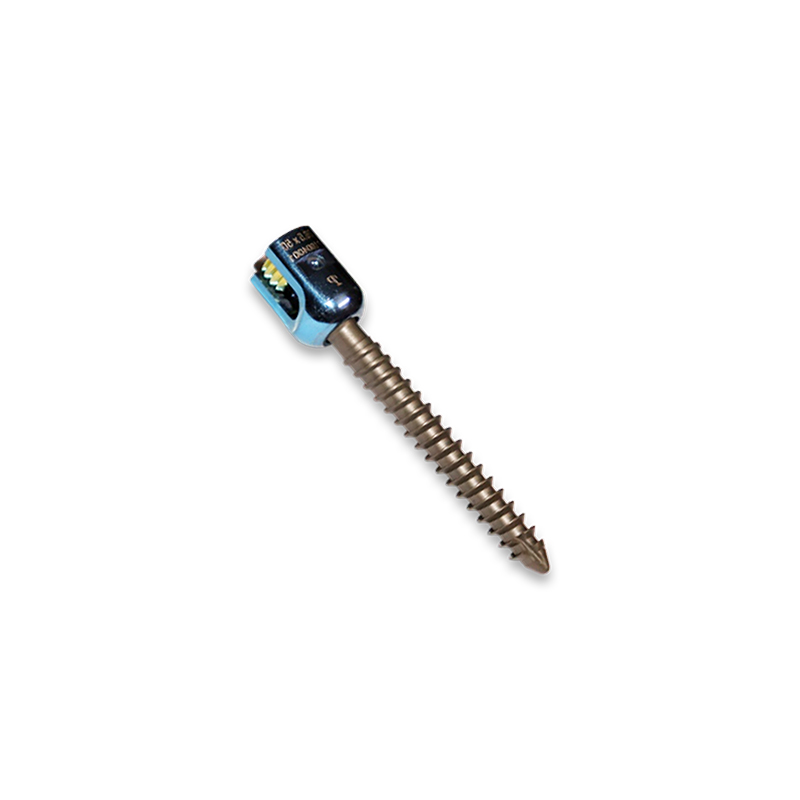
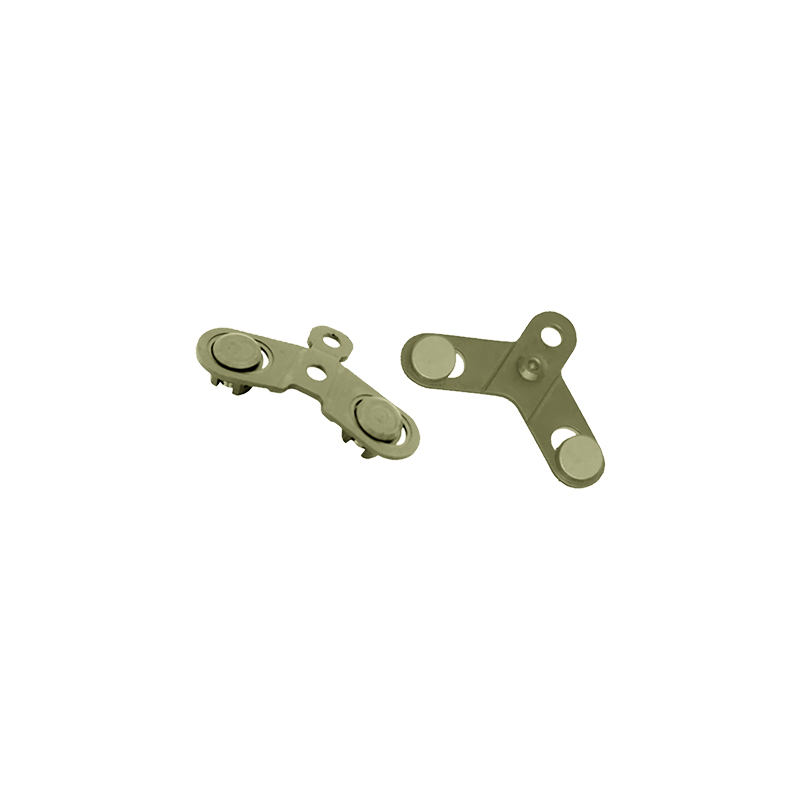
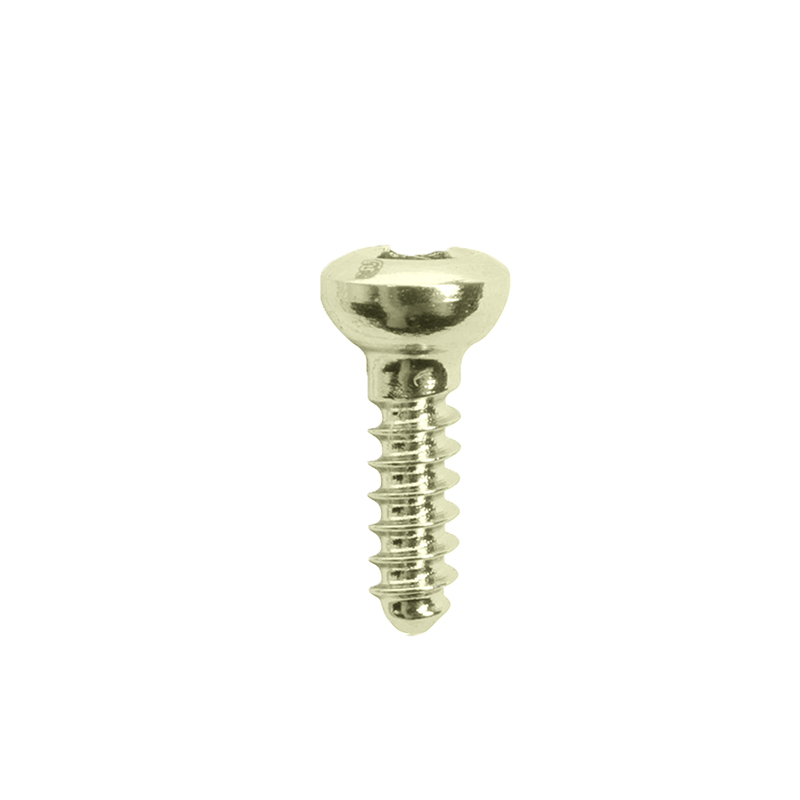
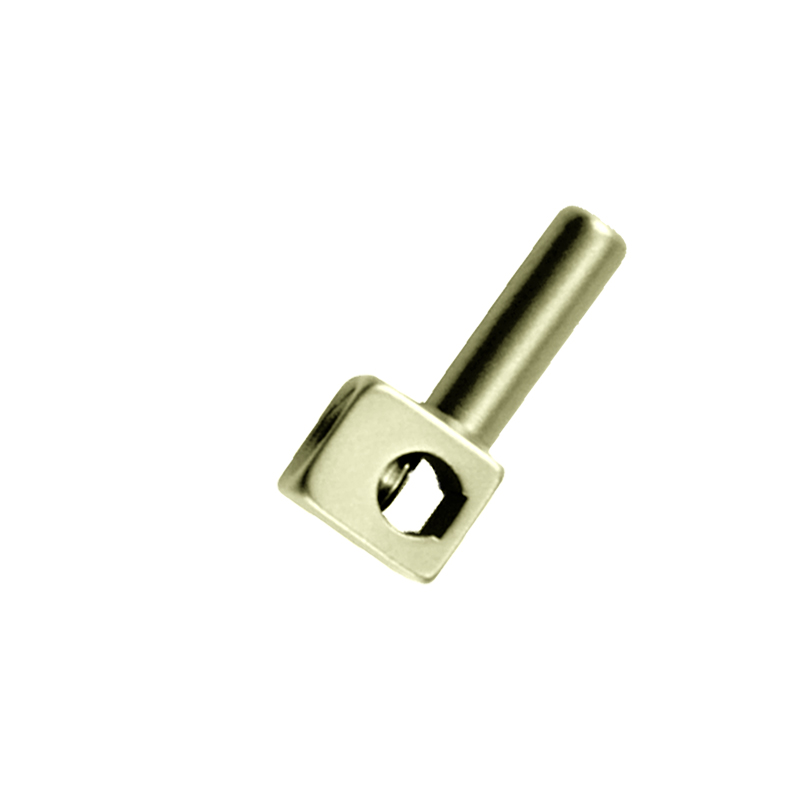
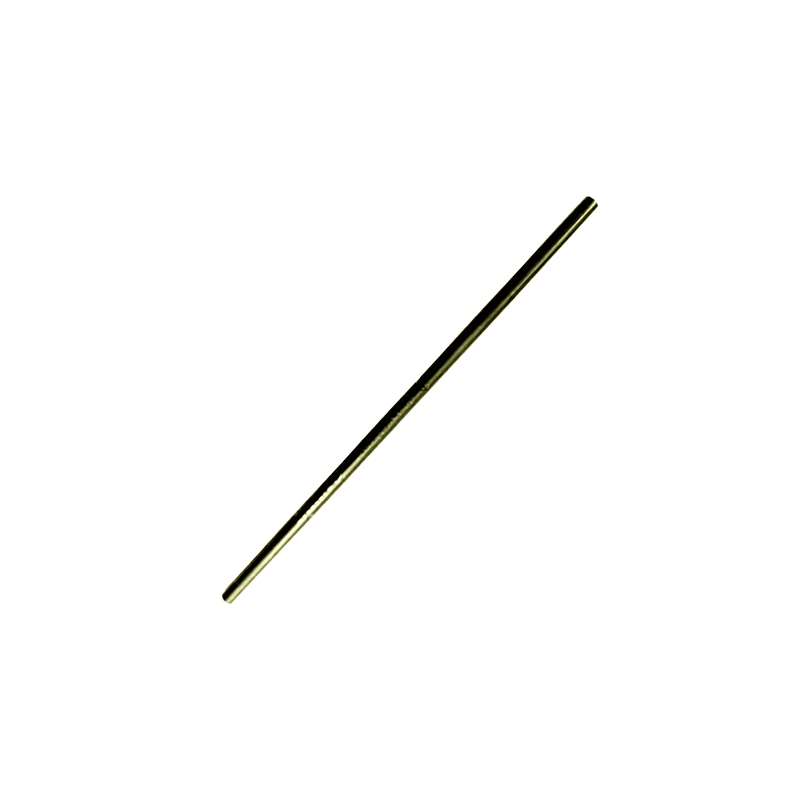
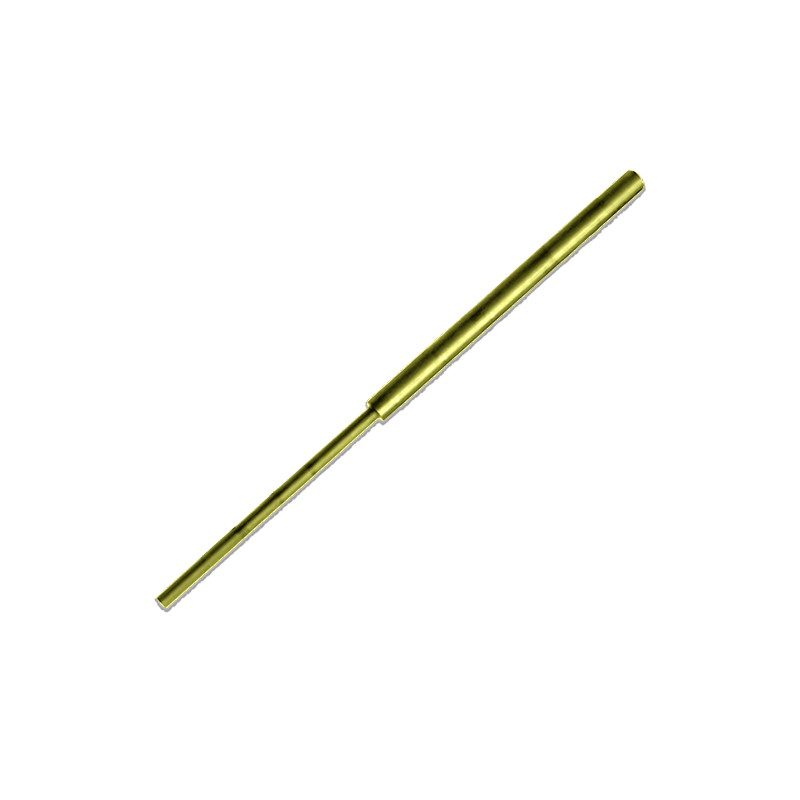
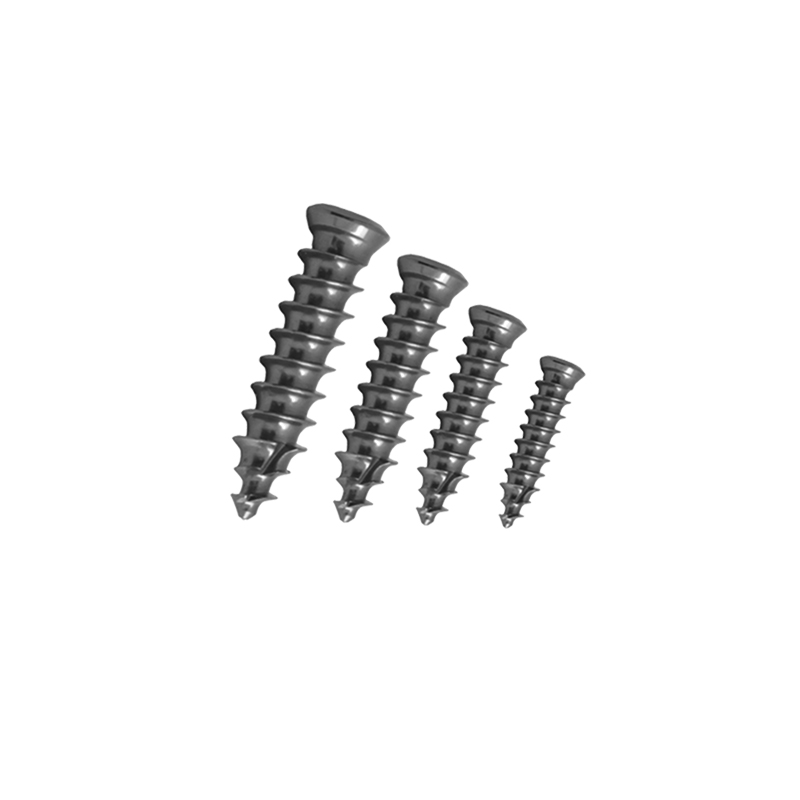
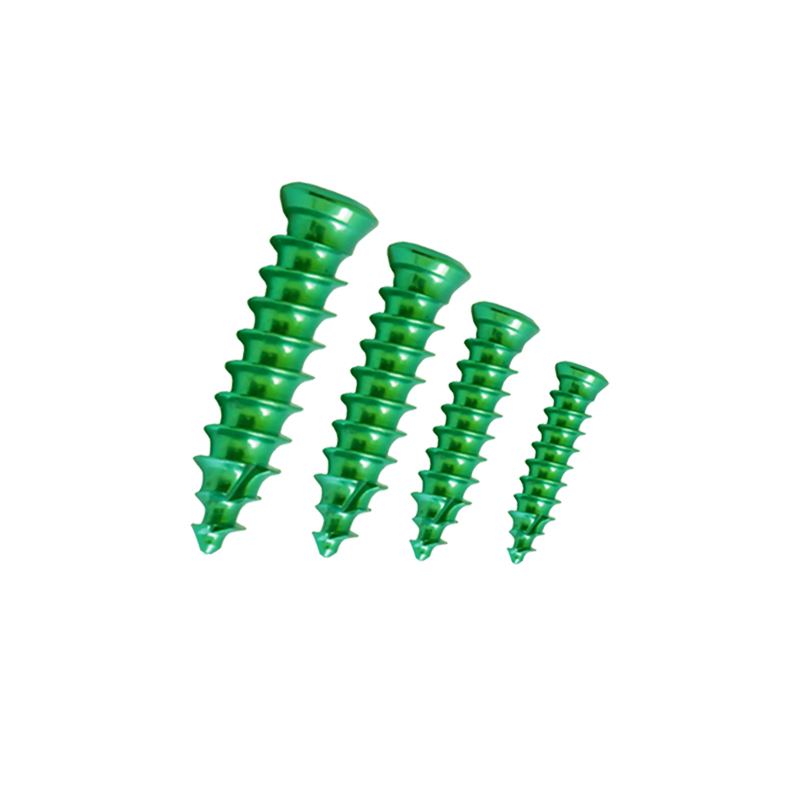
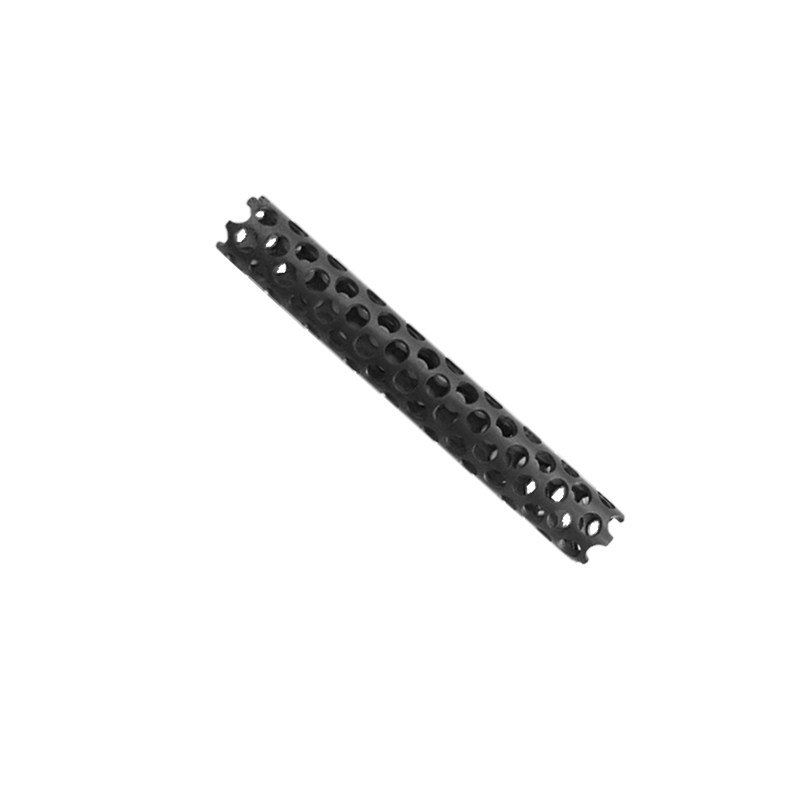
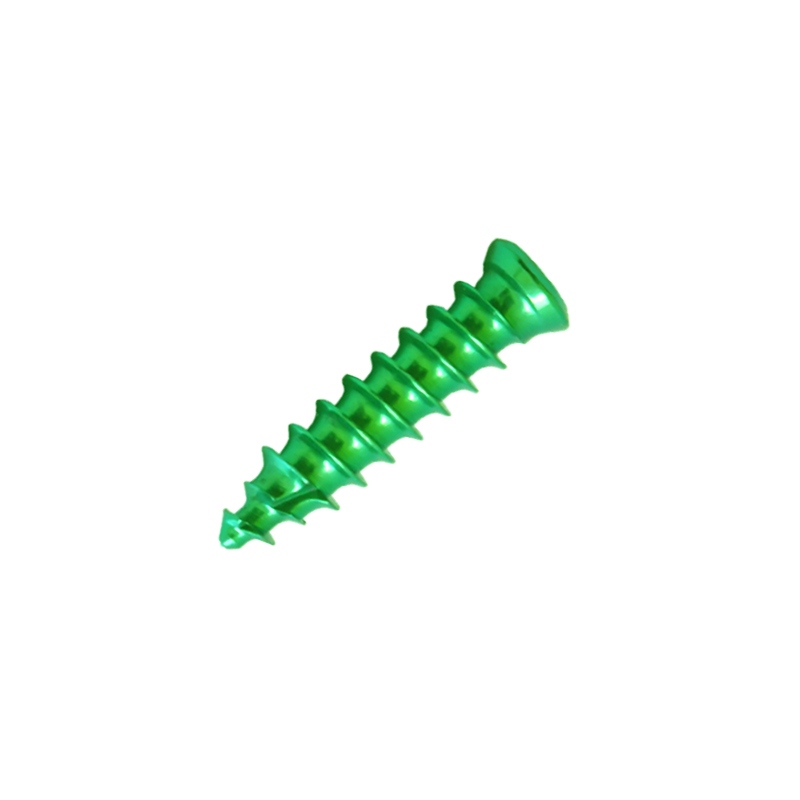
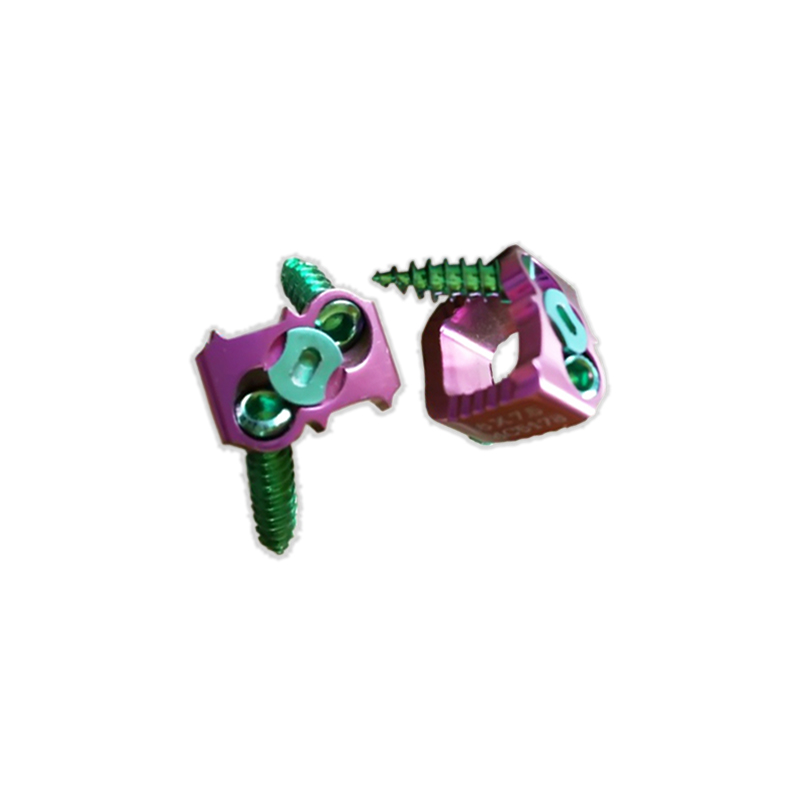
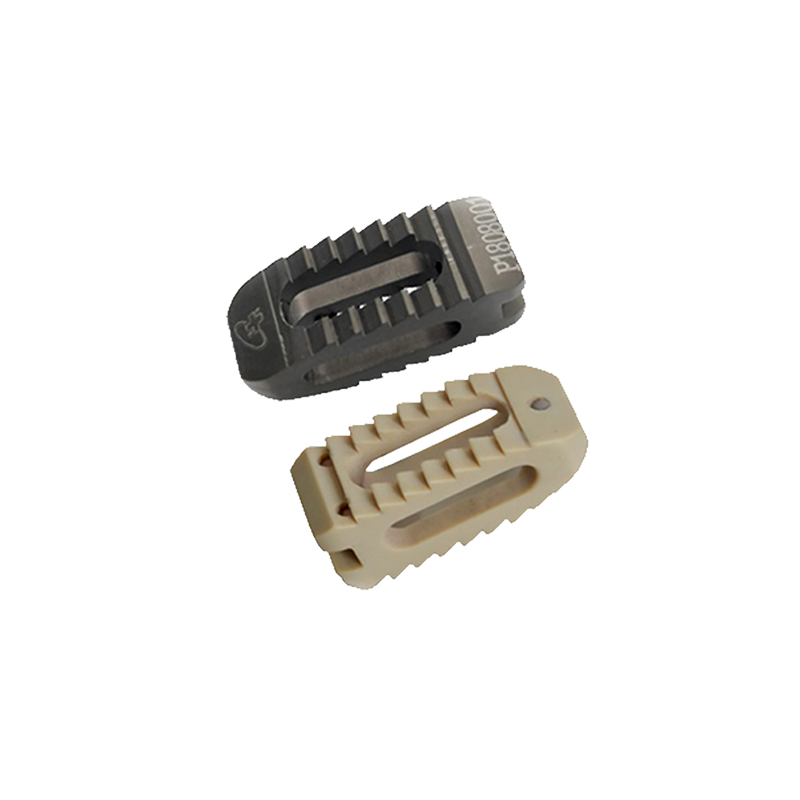
A regular monoaxial screw is a spinal fixation implant used in spine surgery. The screw has a fixed head that does not move relative to the screw shaft, allowing strong and rigid connection with rods during spinal stabilization procedures such as spinal fusion.
A regular monoaxial screw is an orthopedic implant commonly used in spinal instrumentation systems to stabilize the vertebral column. It consists of a threaded screw shaft and a fixed head, meaning the head cannot move or rotate relative to the screw body. This rigid configuration allows surgeons to apply precise corrective forces and maintain strong fixation when attaching rods and other spinal components.
These screws are typically manufactured from biocompatible materials such as titanium alloy or stainless steel, which offer excellent strength, corrosion resistance, and compatibility with the human body. The screw is inserted into the pedicle of a vertebra, where it anchors securely in the bone. A spinal rod is then connected to the screw head and locked using a cap or nut to stabilize the spine.
Regular monoaxial screws are widely used in spinal fusion surgeries, deformity correction (such as scoliosis), trauma stabilization, and treatment of degenerative spinal conditions. Their rigid structure provides greater stability and stronger corrective forces compared to movable-head (polyaxial) screws.

This will close in 21 seconds
Got questions? Ideas? Fill out the form below & our specialist will contact you.
Need help? Our team is just a message away