
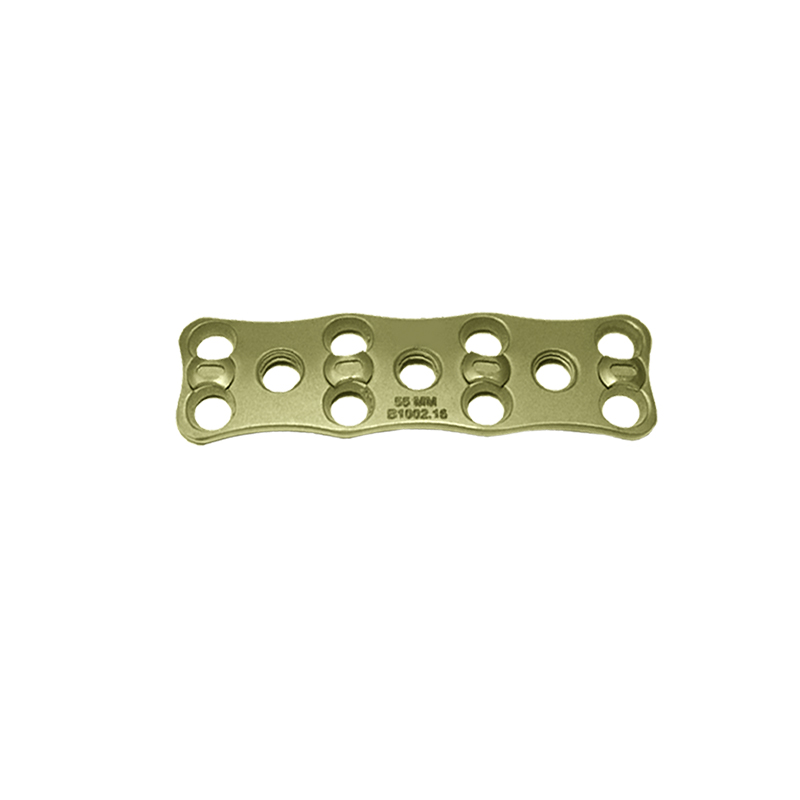
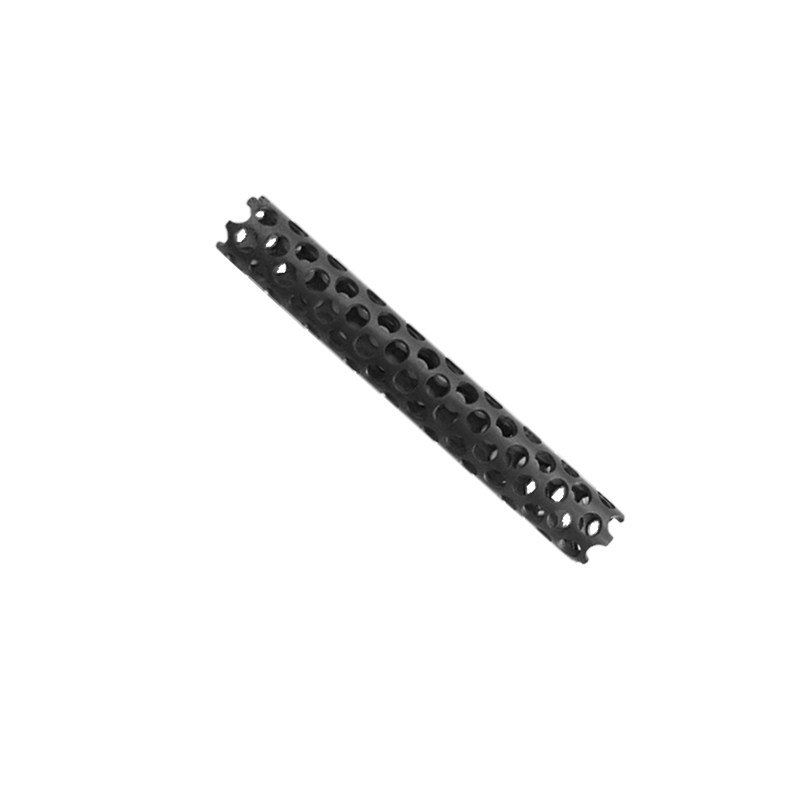
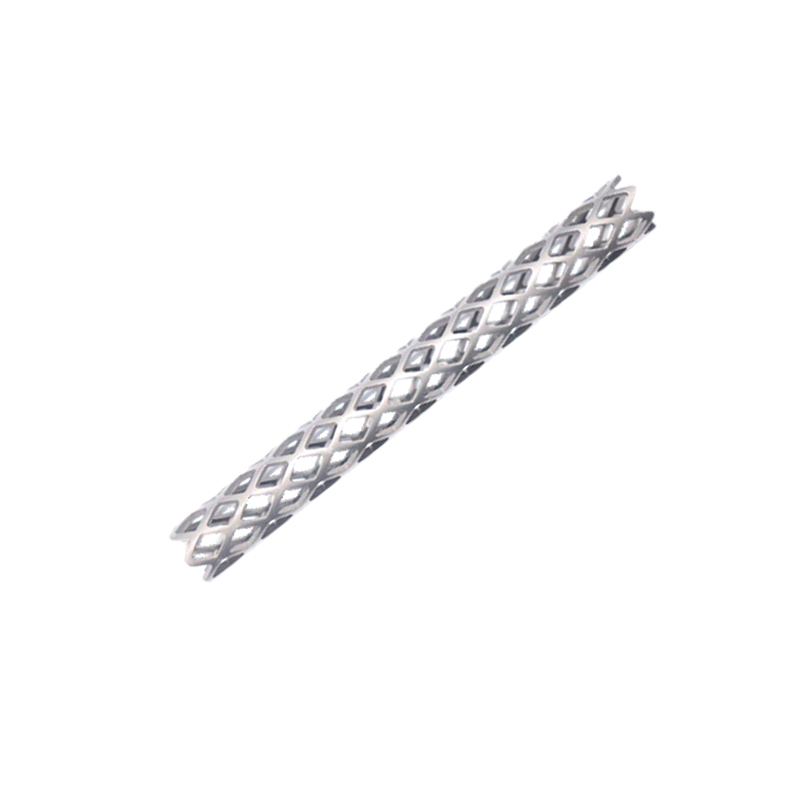
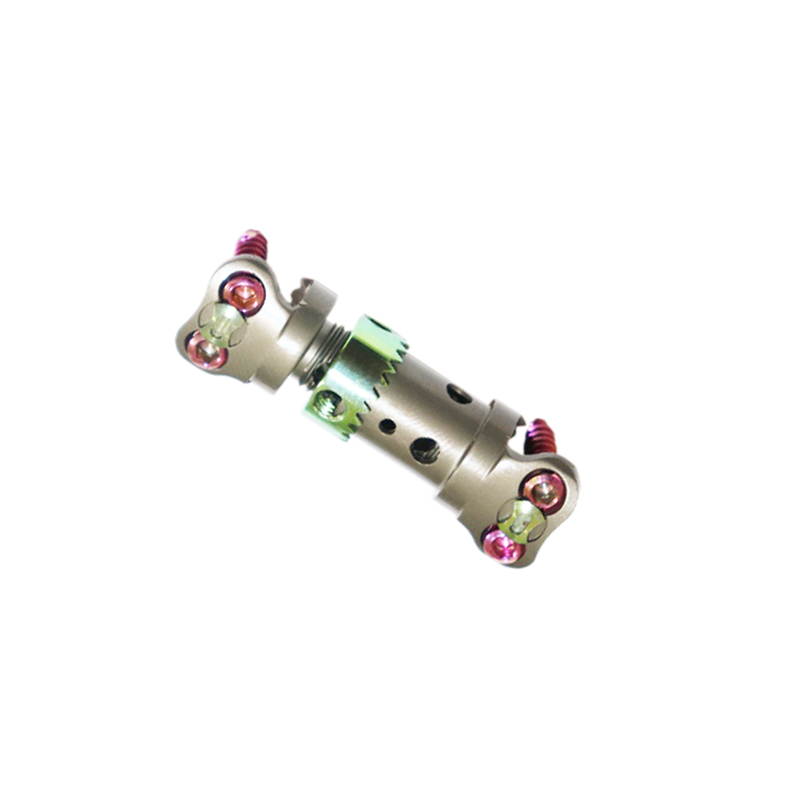
A PLIF cage is an interbody fusion implant used in posterior lumbar spine surgery to restore disc height, maintain alignment, and promote bone fusion between vertebrae.
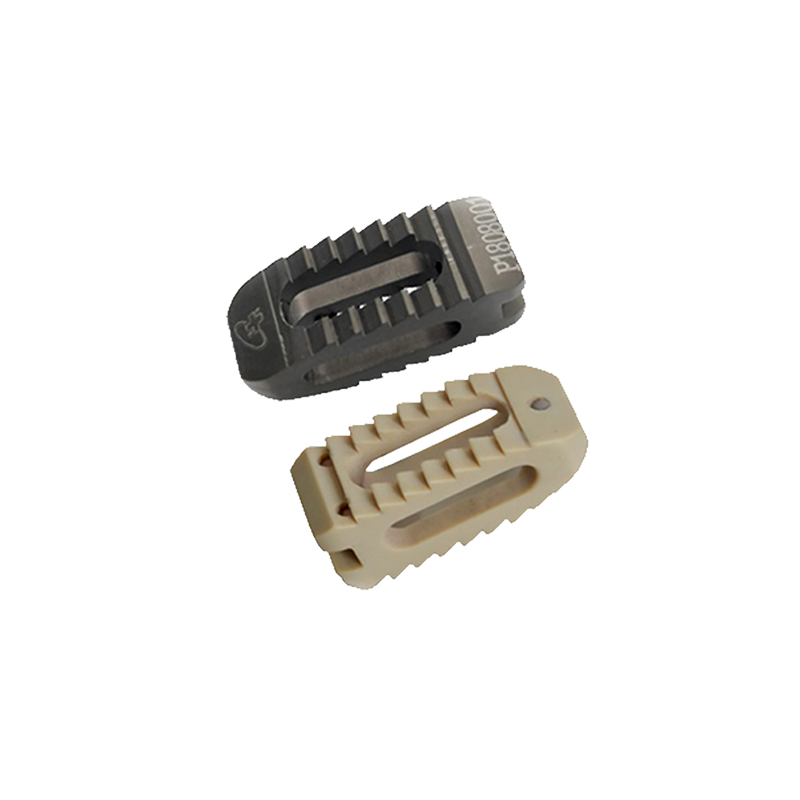
A PLIF cage (Posterior Lumbar Interbody Fusion Cage) is a specialized spinal implant designed for use in posterior lumbar interbody fusion procedures. It is inserted into the intervertebral disc space from a posterior approach after disc removal, with the primary purpose of restoring disc height, maintaining spinal alignment, and facilitating solid bone fusion between adjacent vertebrae.
The cage is typically filled with bone graft material (autograft, allograft, or synthetic substitutes) to promote osseointegration and fusion. Its design often includes large graft windows, serrated or textured surfaces, and anatomical shapes to ensure initial stability and prevent migration.
PLIF cages are commonly manufactured from PEEK (Polyetheretherketone), titanium, or titanium-coated materials, offering excellent biocompatibility, radiolucency (in PEEK), and mechanical strength. The implant helps restore load-bearing capacity of the anterior column, reducing stress on posterior fixation systems.
These cages are widely used in treating degenerative disc disease, spondylolisthesis, spinal instability, and recurrent disc herniation, providing a stable environment for long-term spinal fusion.

This will close in 21 seconds
Got questions? Ideas? Fill out the form below & our specialist will contact you.
Need help? Our team is just a message away