
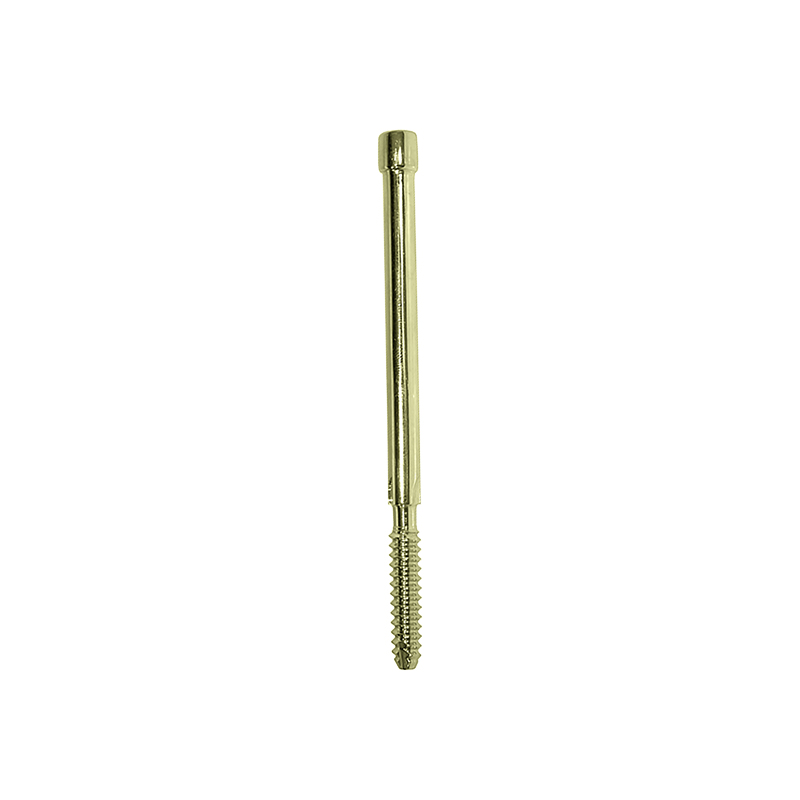
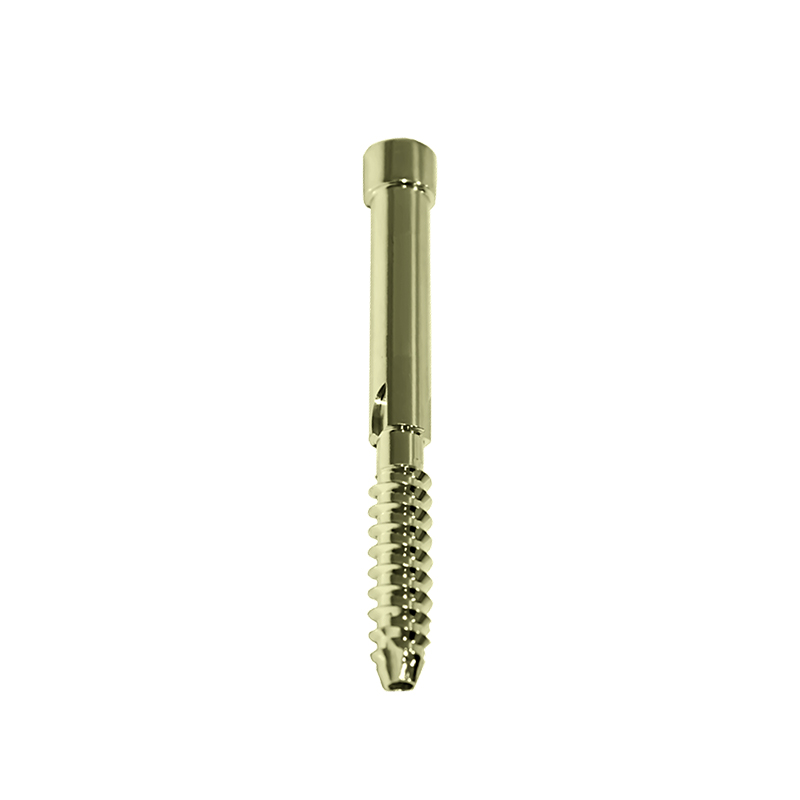

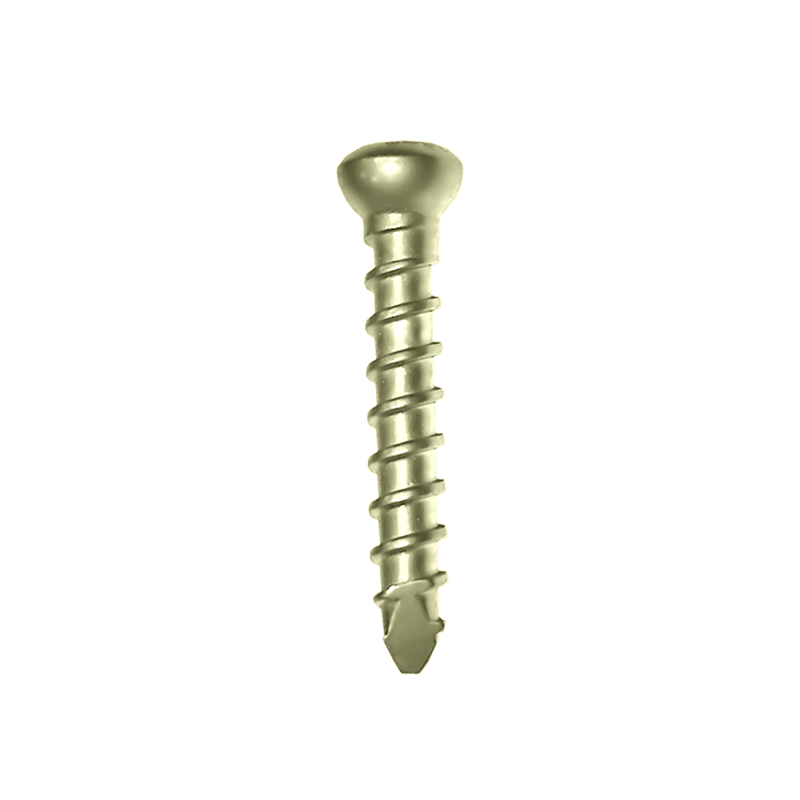
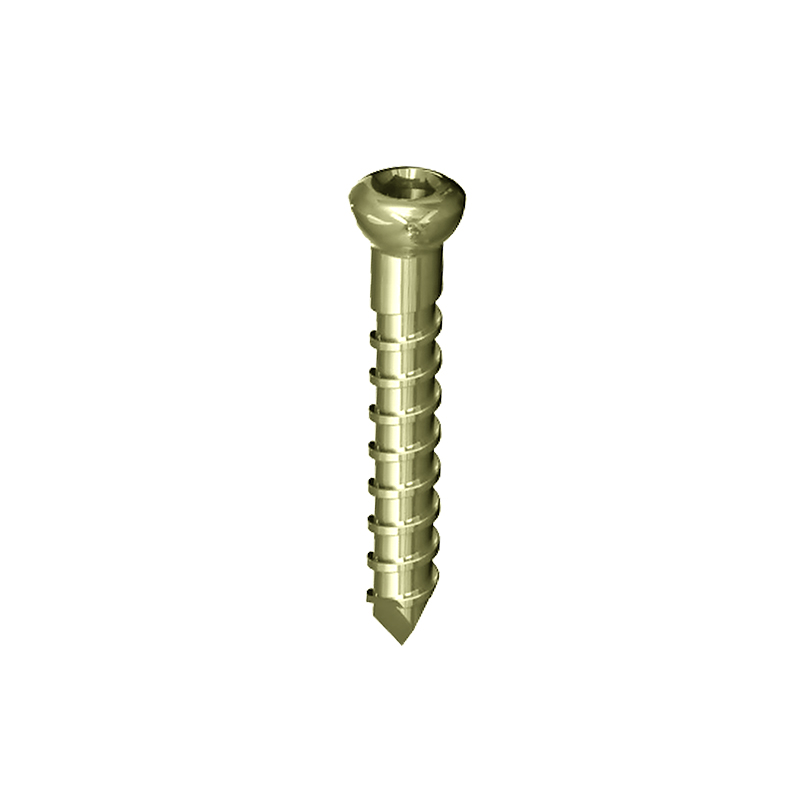
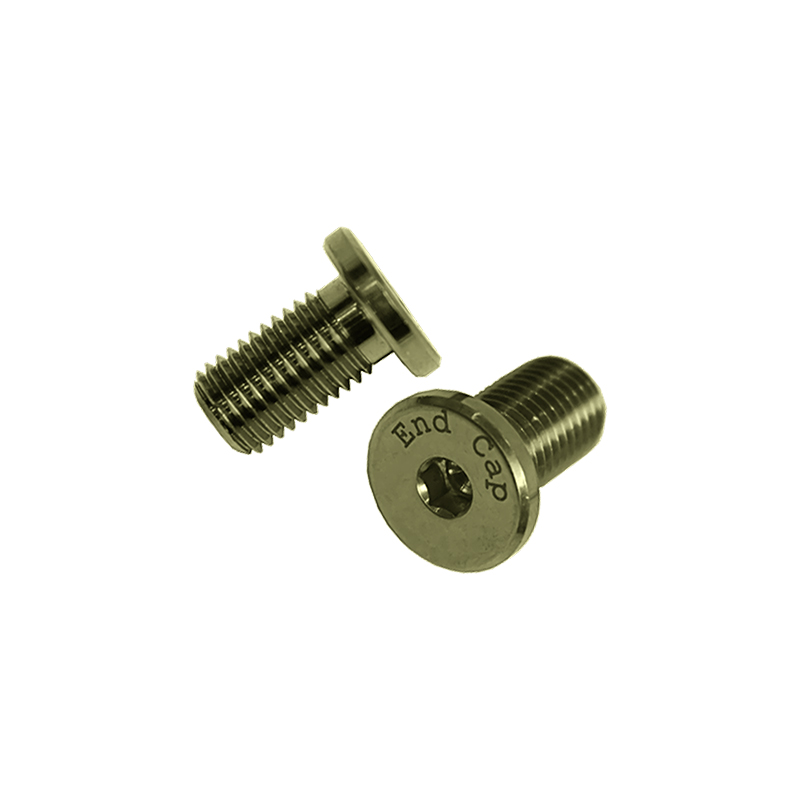
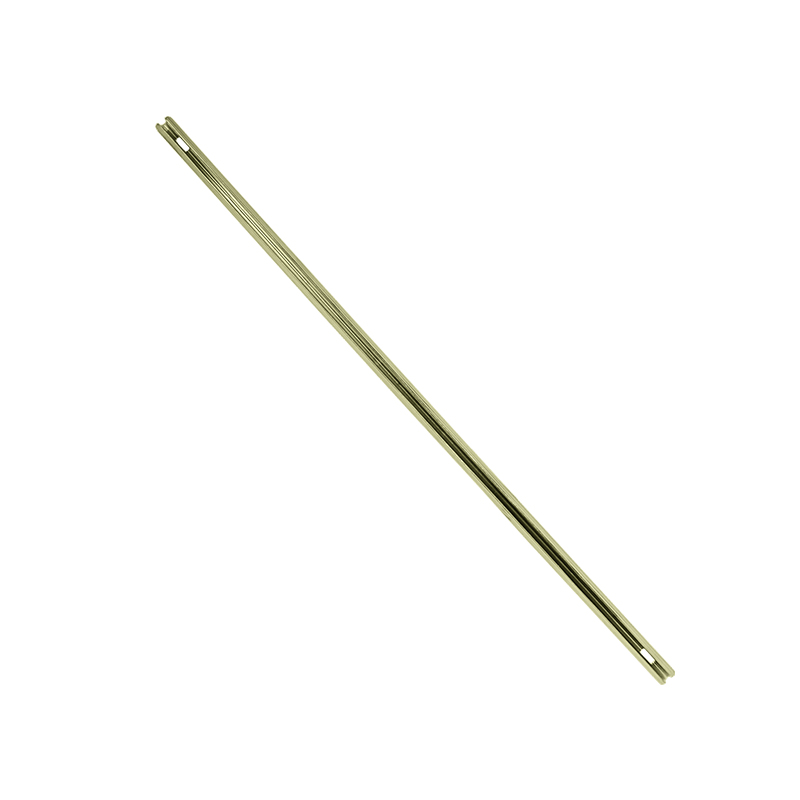
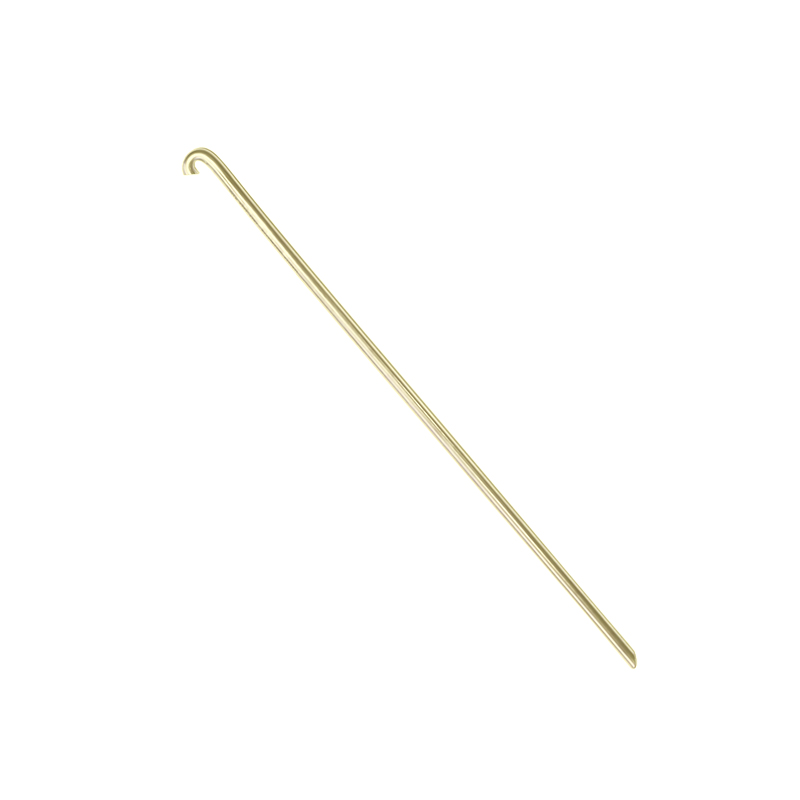
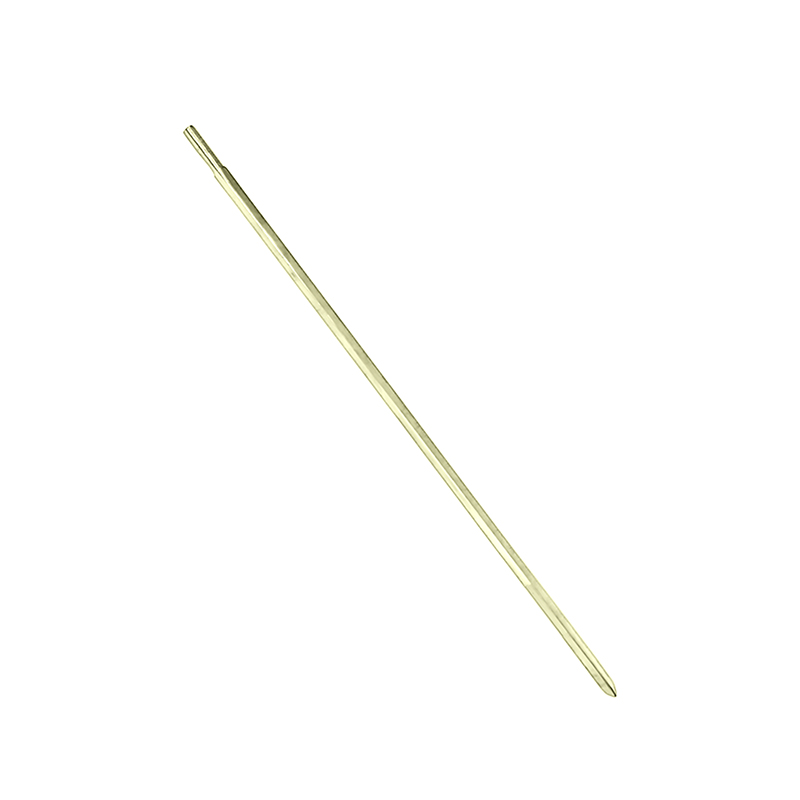
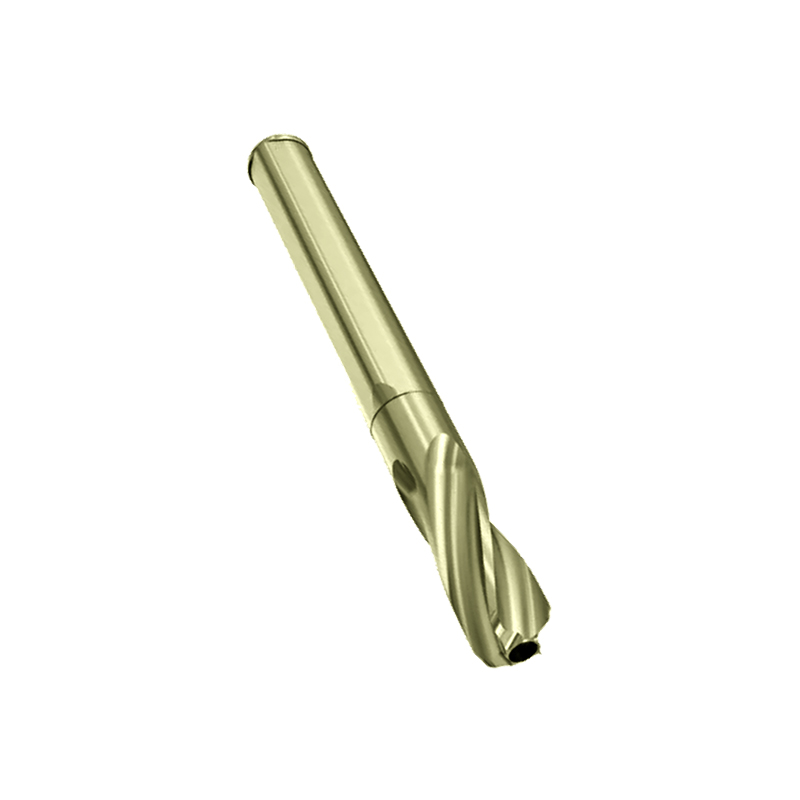
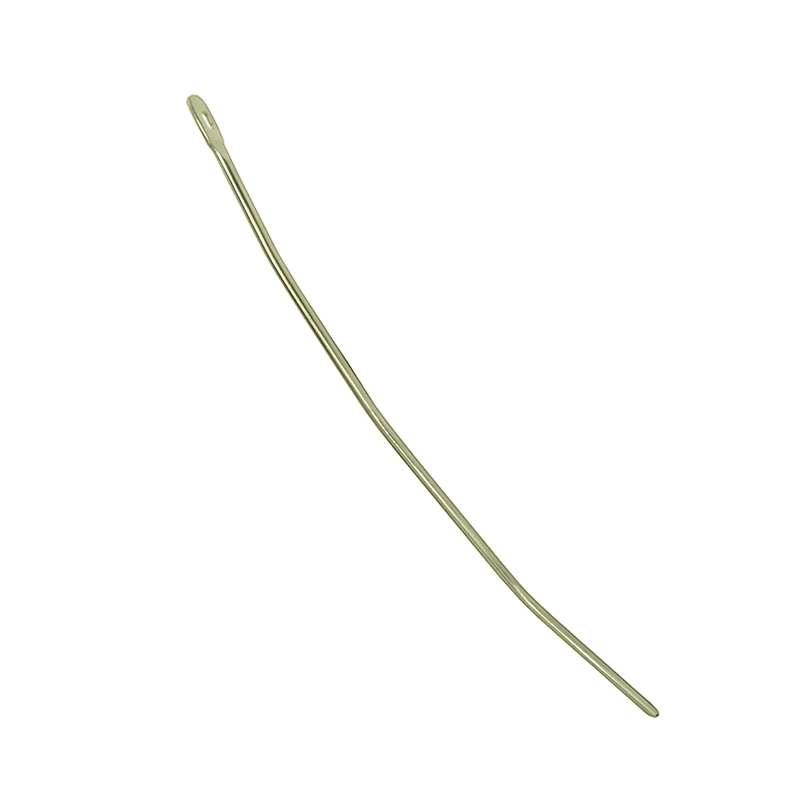
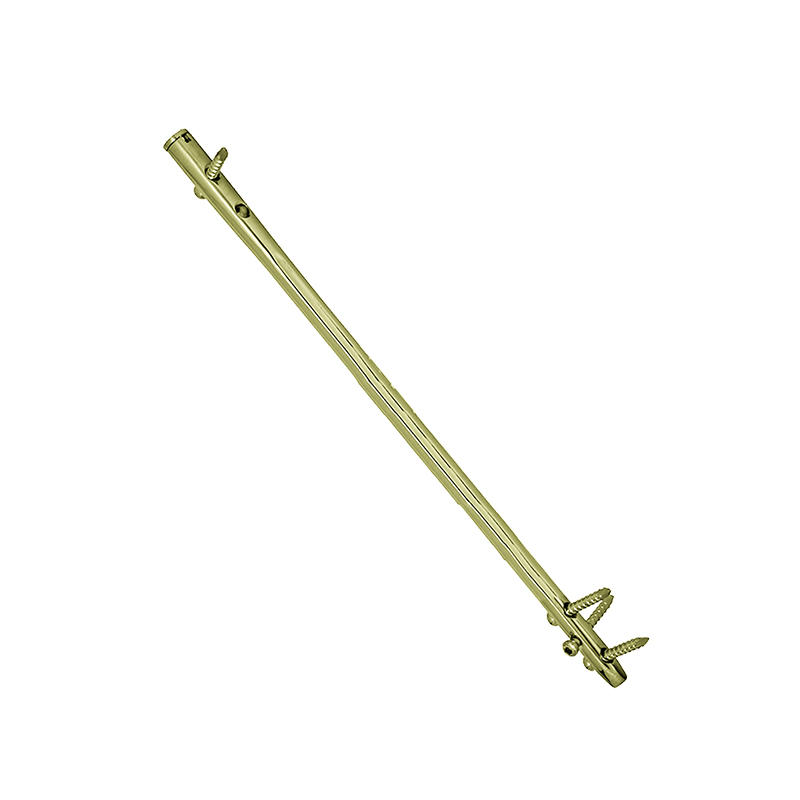

6.4 mm Cannulated PFN Hip Pin – Self Tapping is a precision fixation screw used with proximal femoral nail (PFN) systems. Its cannulated and self-tapping design allows accurate guide wire insertion, easy placement, and enhanced rotational stability in proximal femur fractures.
The 6.4 mm Cannulated PFN Hip Pin – Self Tapping is a specialized orthopedic fixation component designed for use with proximal femoral nail (PFN) systems in the treatment of intertrochanteric and subtrochanteric fractures. It functions as an anti-rotation screw, providing additional stability to the femoral head and preventing rotational displacement during fracture healing.
Featuring a cannulated design, the hip pin is inserted over a guide wire, ensuring precise positioning and improved surgical accuracy. The self-tapping thread allows direct insertion into bone without the need for pre-tapping, reducing surgical time and simplifying the procedure.
With a 6.4 mm diameter, the hip pin offers an optimal balance between strength and minimally invasive application. It is typically used alongside a lag screw in PFN systems to achieve controlled compression and enhanced fixation stability.
Manufactured from high-quality Stainless Steel (SS) or Titanium (Ti), the implant provides excellent strength, fatigue resistance, and long-term biocompatibility. The design ensures secure anchorage in cancellous bone, particularly in osteoporotic patients.

This will close in 21 seconds
Got questions? Ideas? Fill out the form below & our specialist will contact you.
Need help? Our team is just a message away