
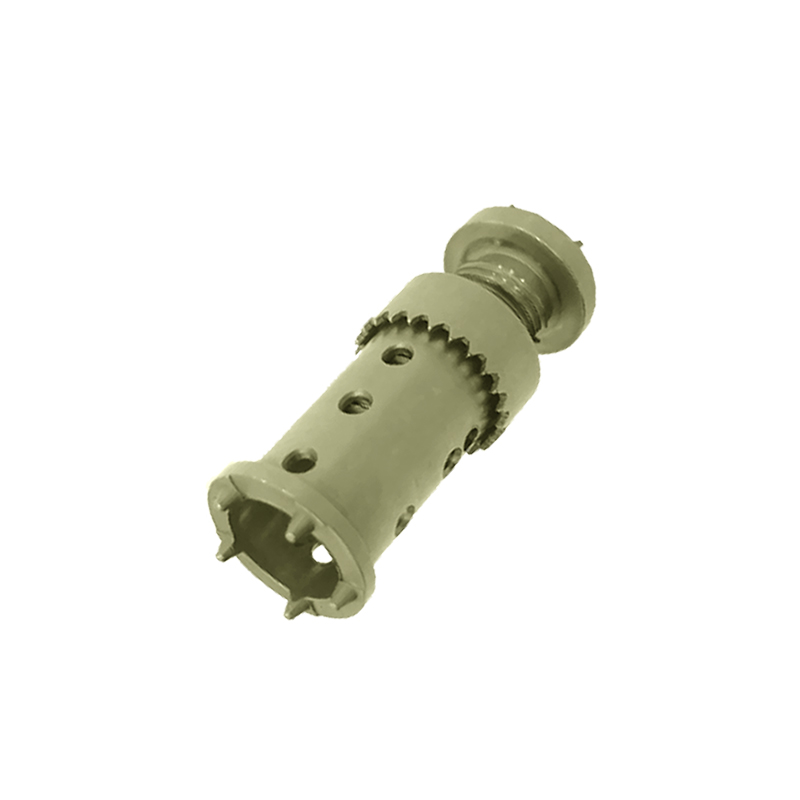
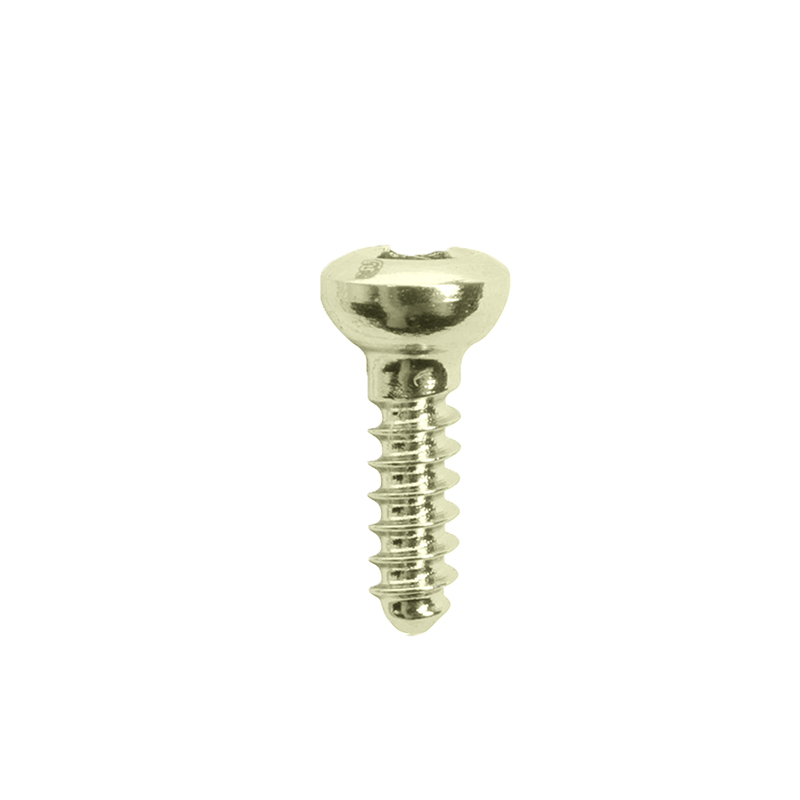
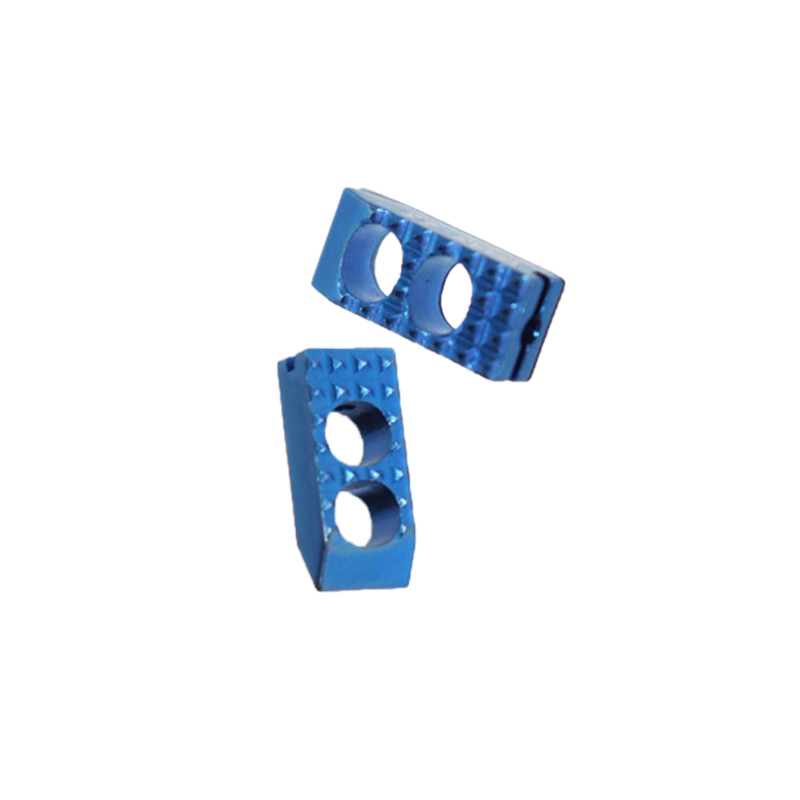
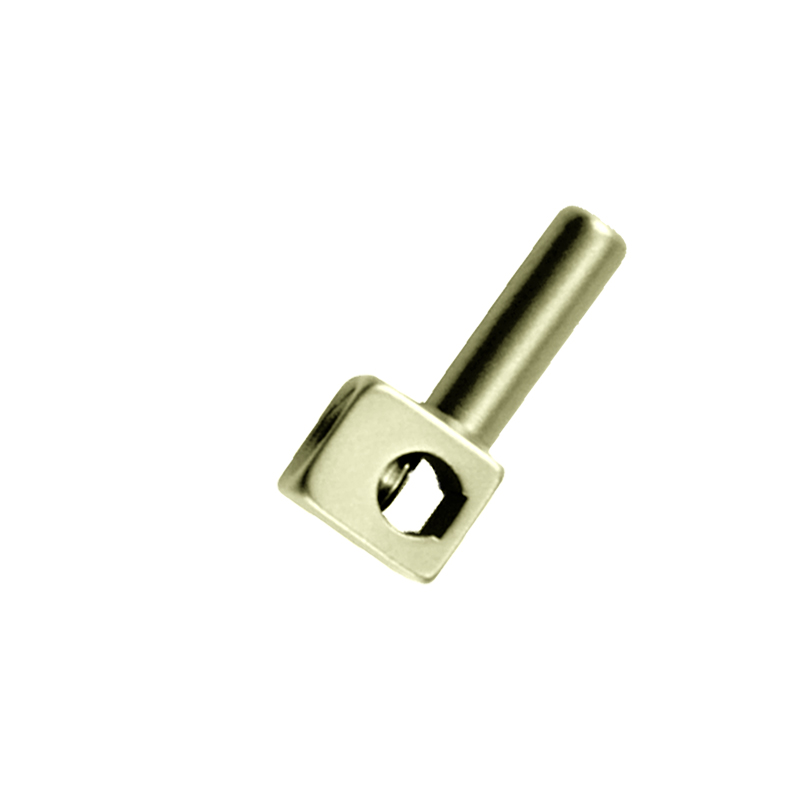
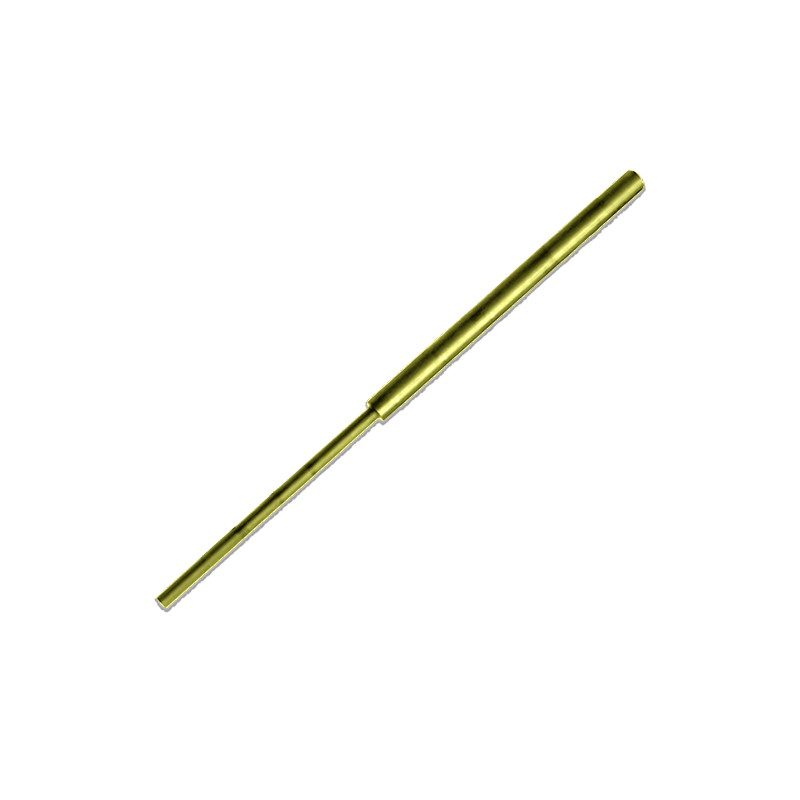
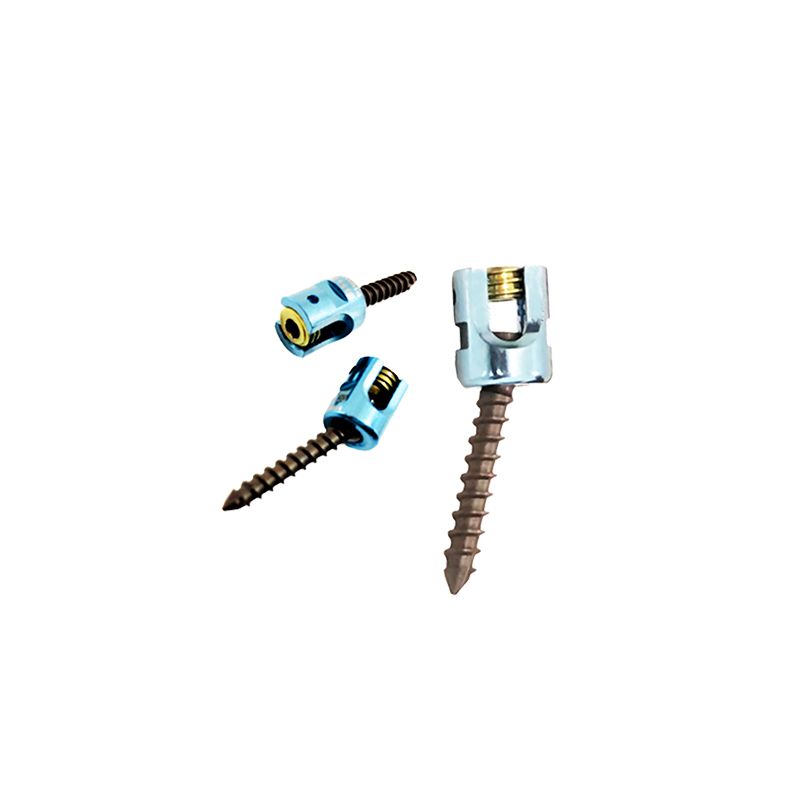
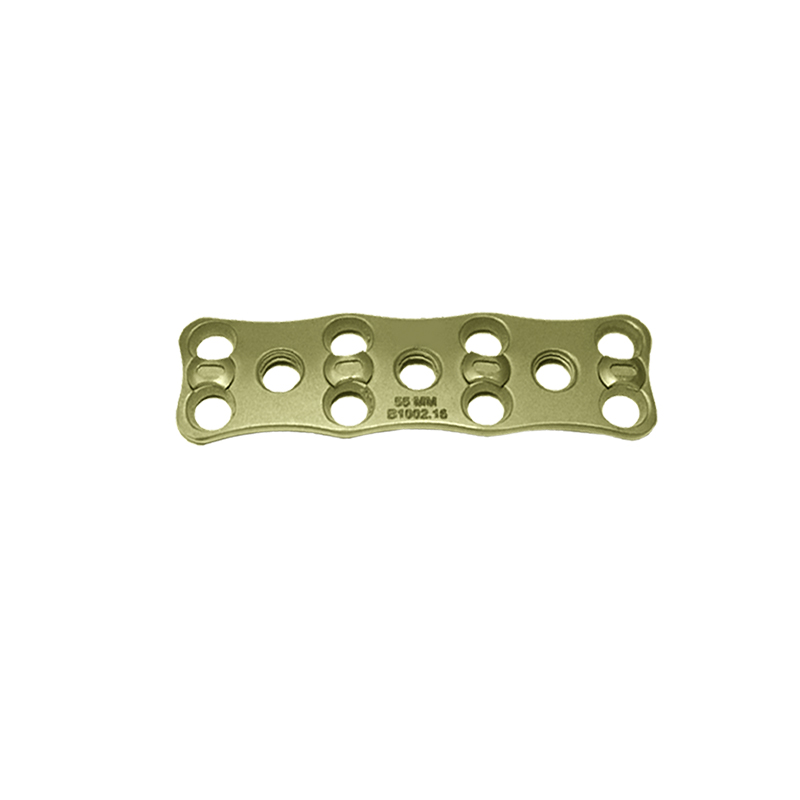
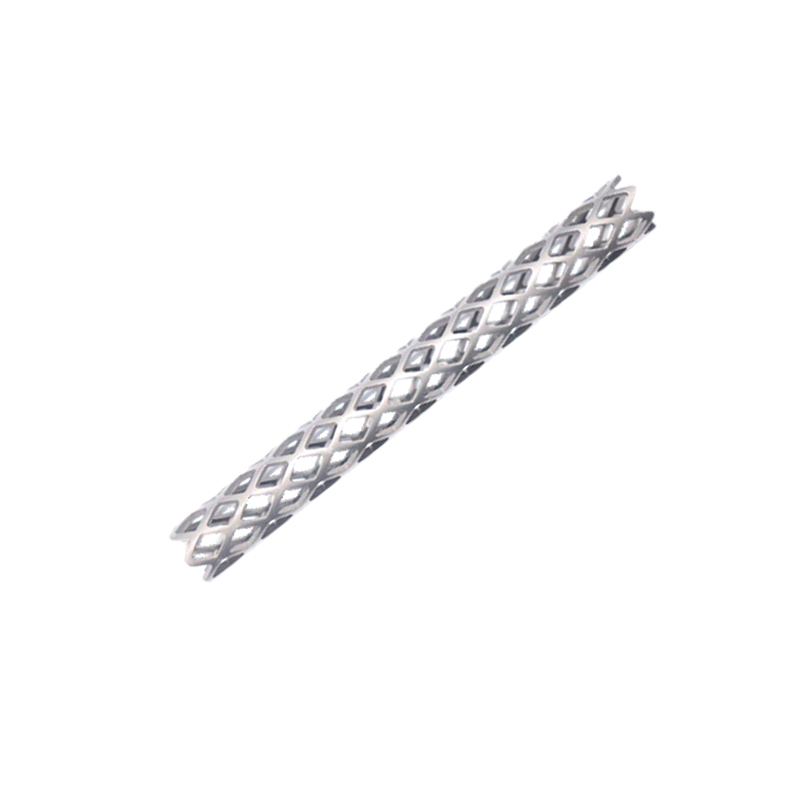
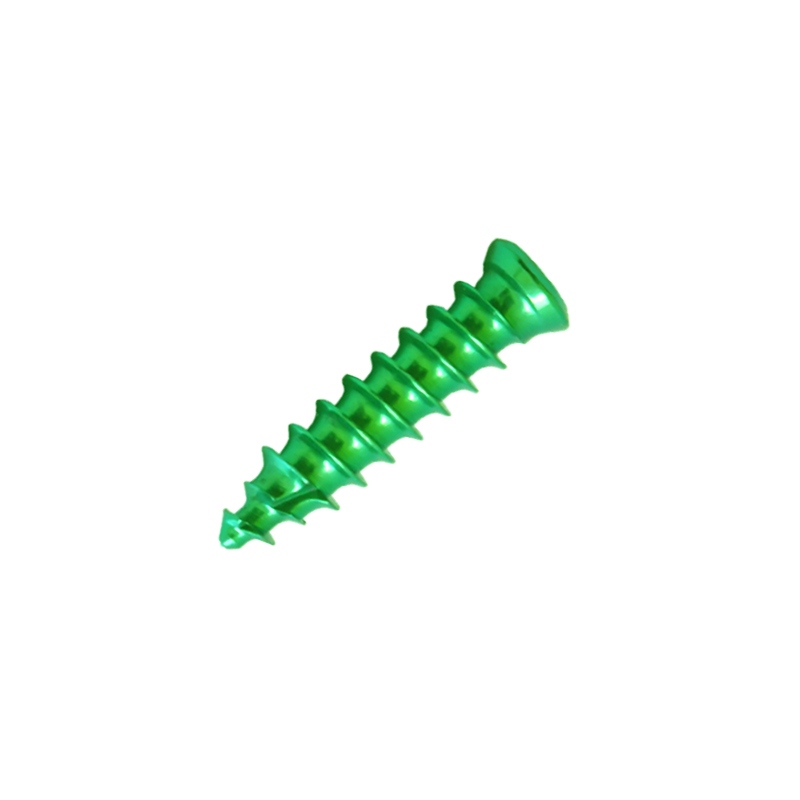
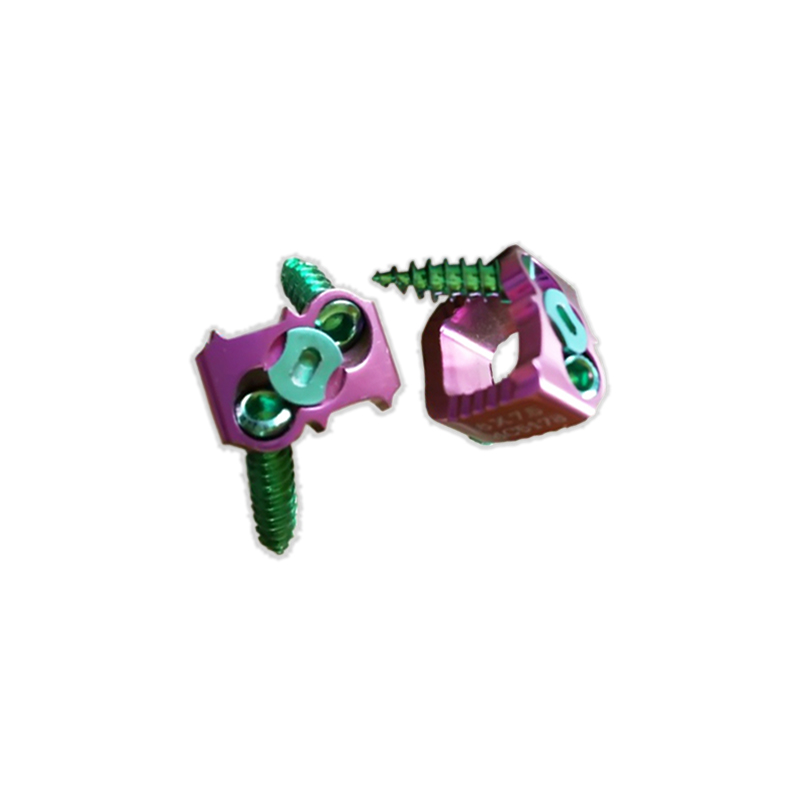
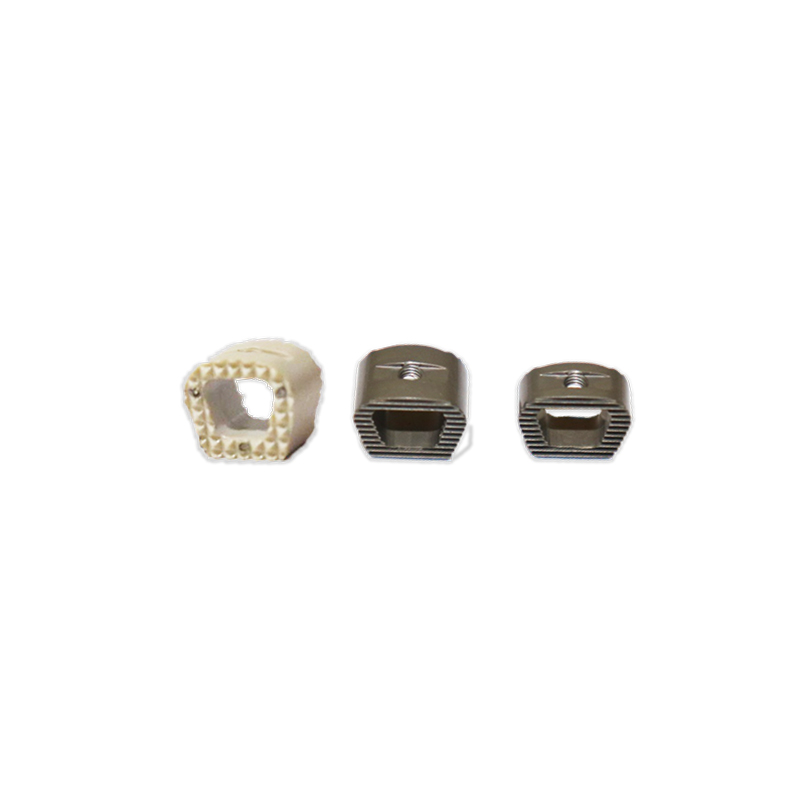
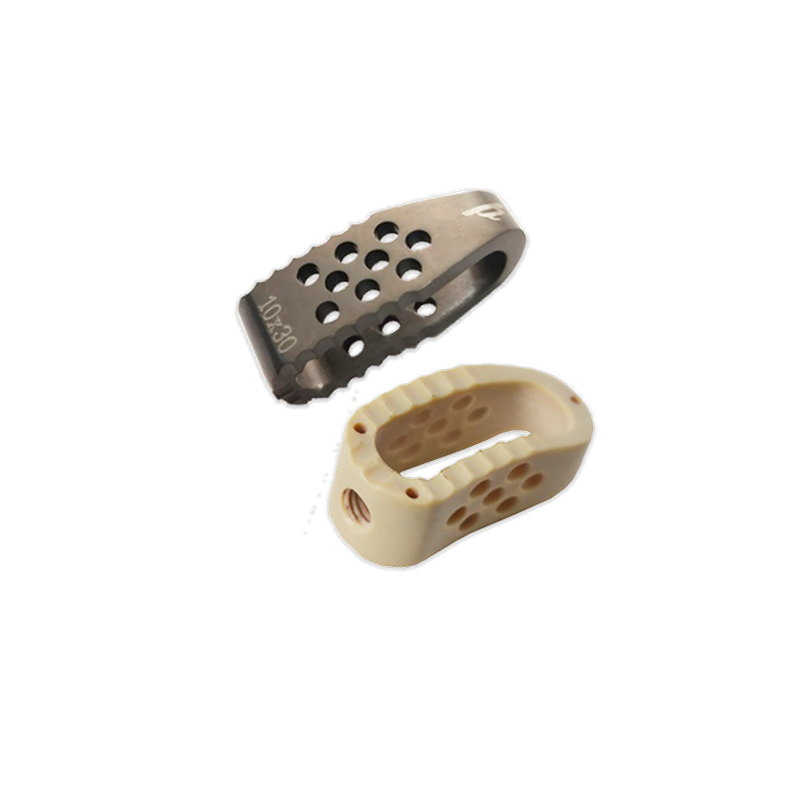
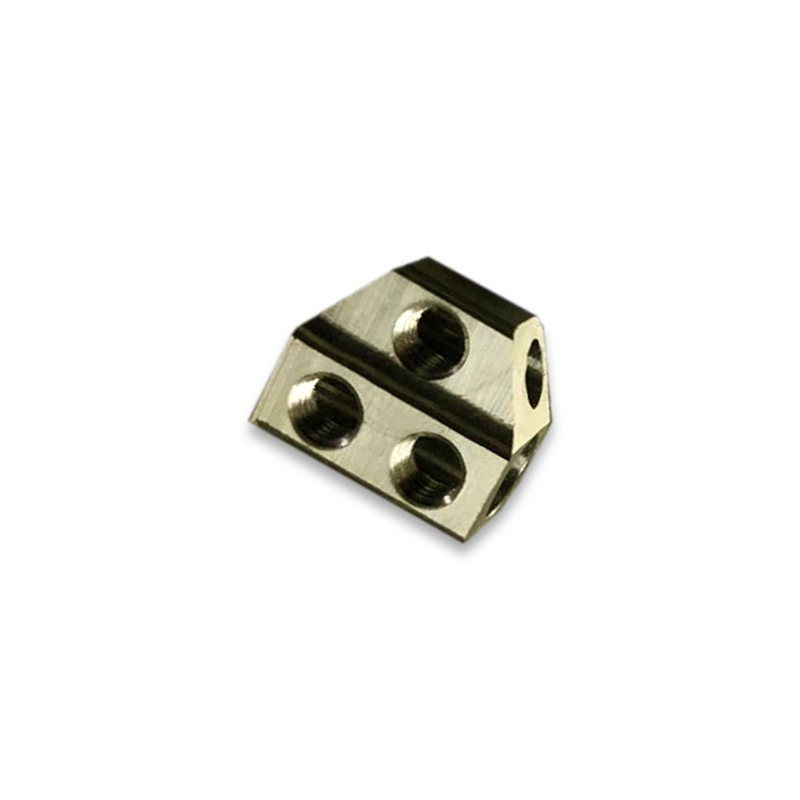
An expandable jack cage is an interbody fusion implant featuring a jack-based expansion mechanism, allowing controlled vertical expansion to restore disc height, spinal alignment, and provide stable support during fusion.
An expandable jack cage is an advanced interbody fusion device designed with a mechanical jack (screw-driven) expansion system that enables precise, controlled height adjustment after insertion into the intervertebral space. Inserted in a low-profile, collapsed state, the cage is expanded in situ using a specialized instrument, allowing surgeons to gradually restore disc height, correct alignment, and optimize spinal lordosis.
The jack mechanism provides uniform vertical expansion, ensuring stable contact with vertebral endplates and reducing the risk of implant subsidence or migration. This design also minimizes the need for aggressive endplate preparation and helps preserve surrounding anatomical structures.
The cage includes large graft chambers to accommodate bone graft material (autograft, allograft, or synthetic substitutes), promoting osseointegration and solid fusion. Its surface typically features texturing or serrations to enhance grip and initial stability.
Manufactured from medical-grade titanium or titanium alloys (and sometimes hybrid designs with PEEK), expandable jack cages offer high strength, durability, and excellent biocompatibility. They are especially suitable for minimally invasive spine surgeries (MIS), degenerative disc disease, spinal instability, trauma, and deformity correction, where precision and controlled expansion are critical.

This will close in 21 seconds
Got questions? Ideas? Fill out the form below & our specialist will contact you.
Need help? Our team is just a message away