
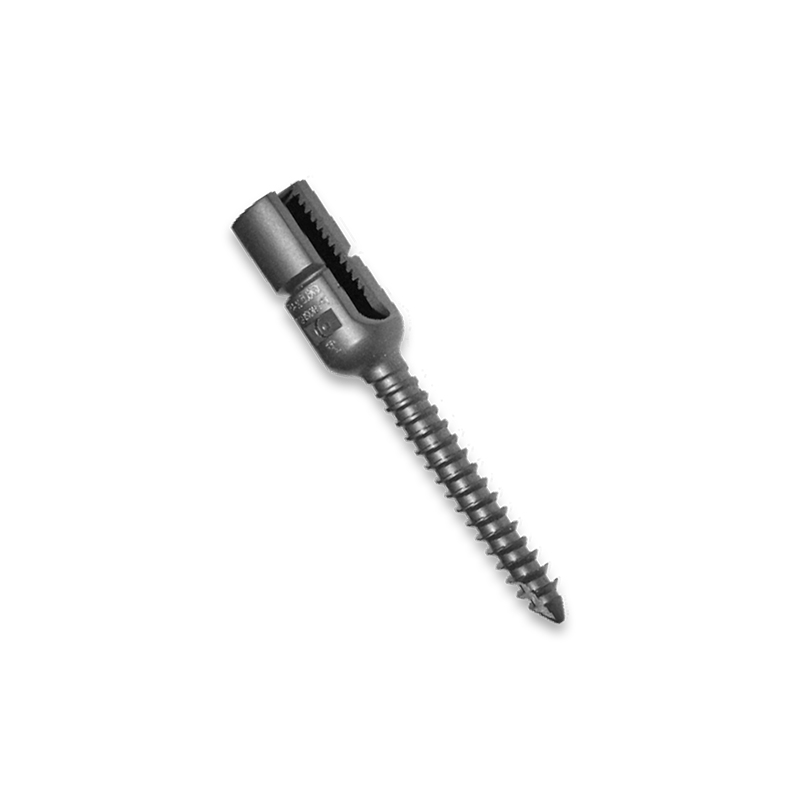
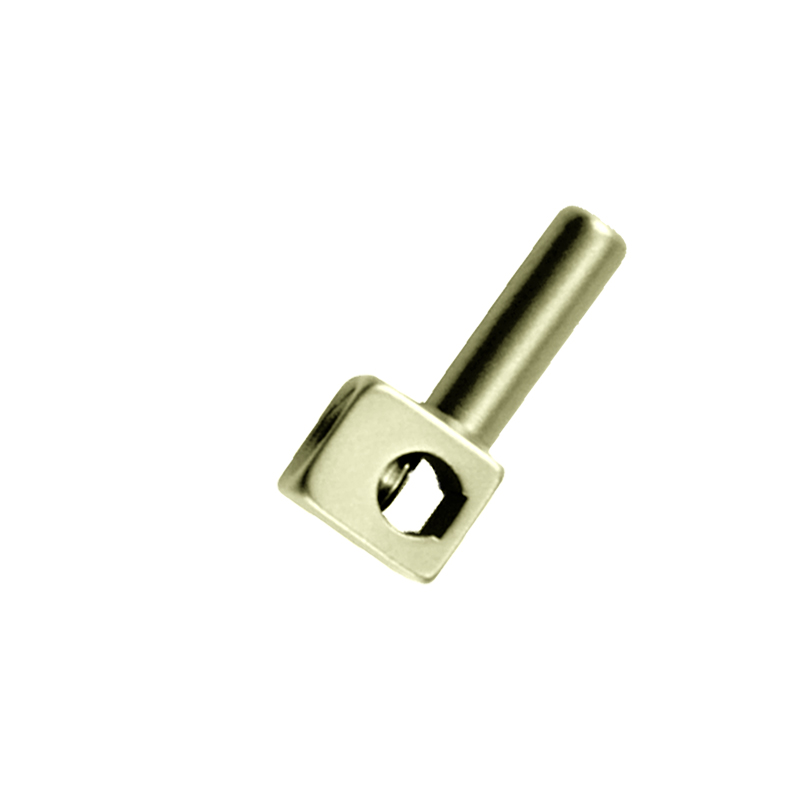
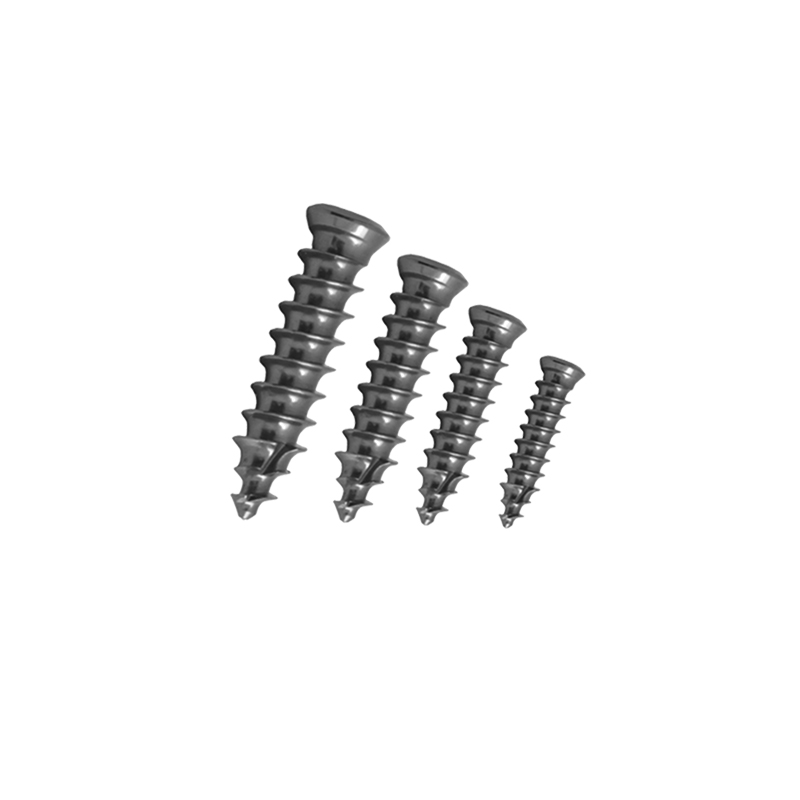
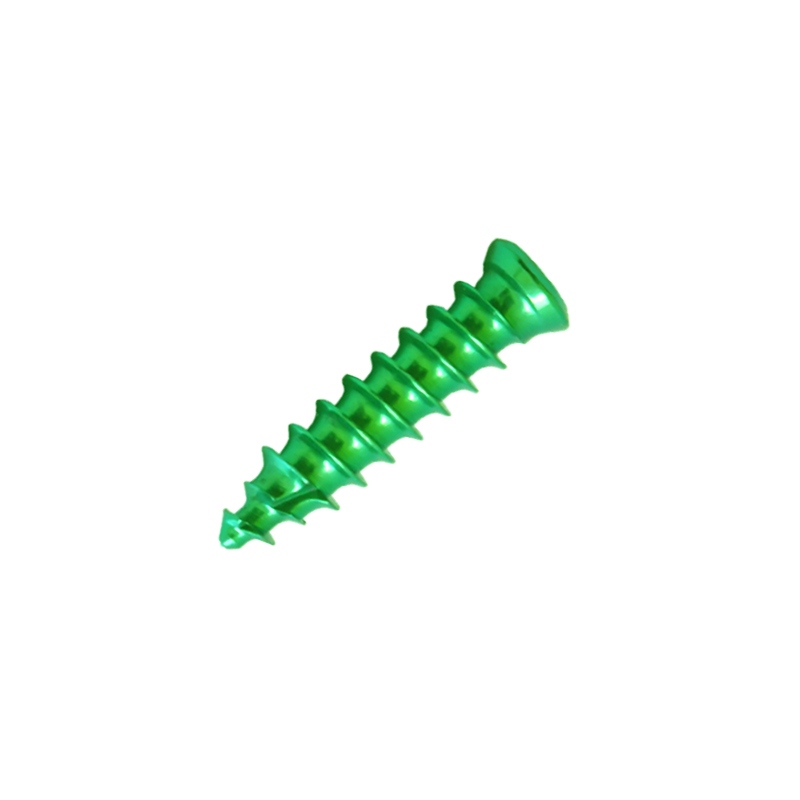
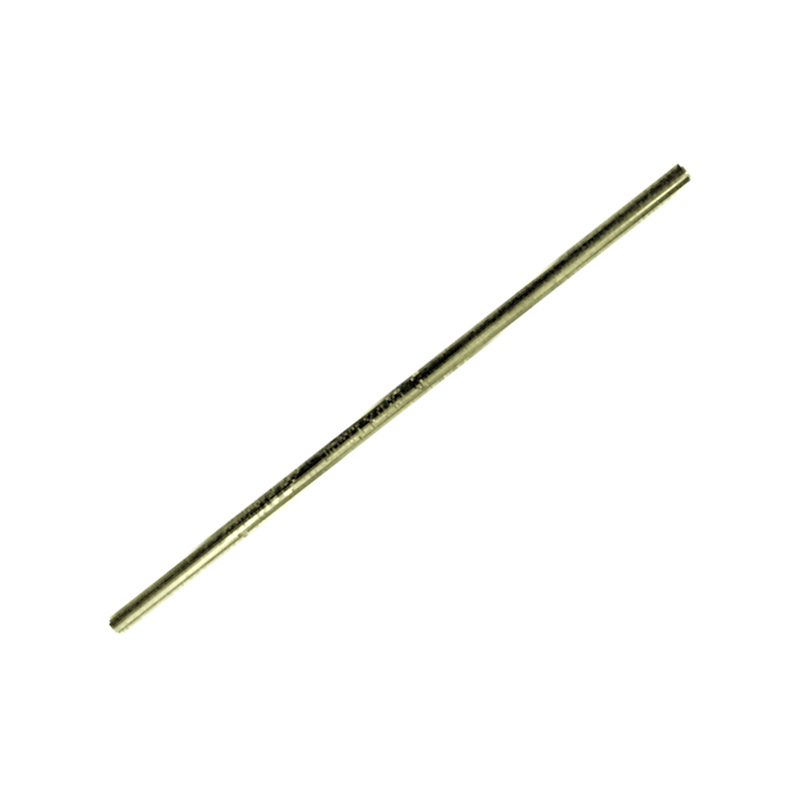
A regular reduction monoaxial screw is a pedicle screw with a fixed head and an extended reduction tower, used in spinal fixation systems to help pull and align spinal rods into the screw head during spine surgery, especially in difficult rod placement situations.
A regular reduction monoaxial screw is a specialized type of monoaxial pedicle screw used in spinal instrumentation systems for stabilizing the vertebral column. Like standard monoaxial screws, it has a fixed head that does not move relative to the screw shaft, providing strong and rigid fixation. However, it also features an extended reduction head or tower, which assists surgeons in guiding and reducing the spinal rod into the screw head.
The reduction feature is particularly helpful when the rod is positioned above the screw head due to spinal deformity, misalignment, or difficult anatomical conditions. The extended head allows the surgeon to gradually pull the rod down into the correct position, ensuring proper alignment before locking it with a set screw or cap.
These screws are commonly made from biocompatible materials such as titanium alloy or stainless steel, providing strength, durability, and corrosion resistance. The screw is inserted into the vertebral pedicle, anchoring securely in the bone, while the reduction mechanism simplifies rod placement and spinal alignment.
Regular reduction monoaxial screws are widely used in spinal deformity correction, trauma stabilization, and spinal fusion procedures, where precise alignment and strong fixation are required.

This will close in 21 seconds
Got questions? Ideas? Fill out the form below & our specialist will contact you.
Need help? Our team is just a message away