
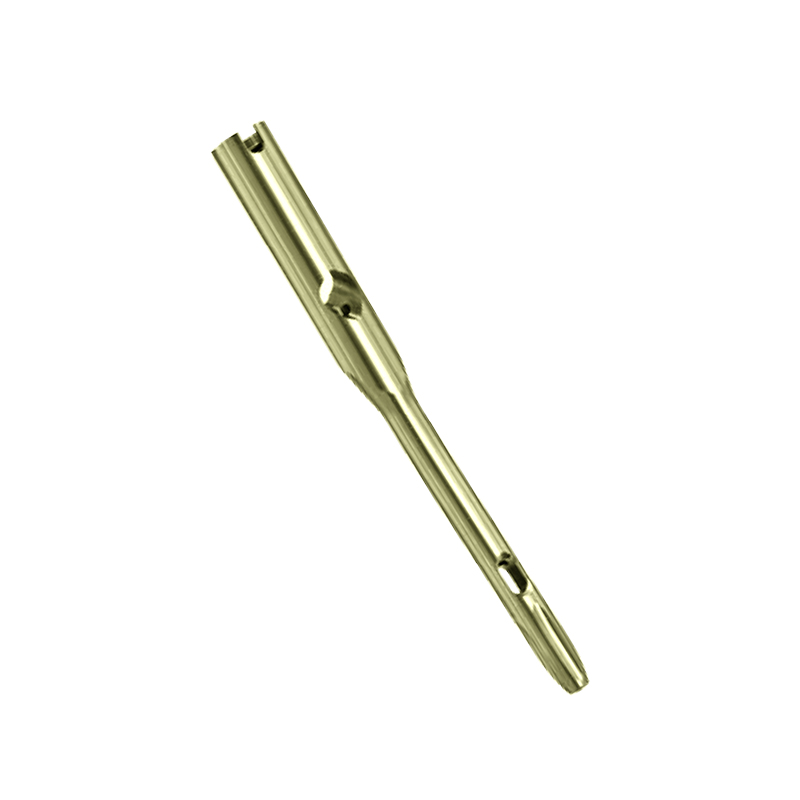
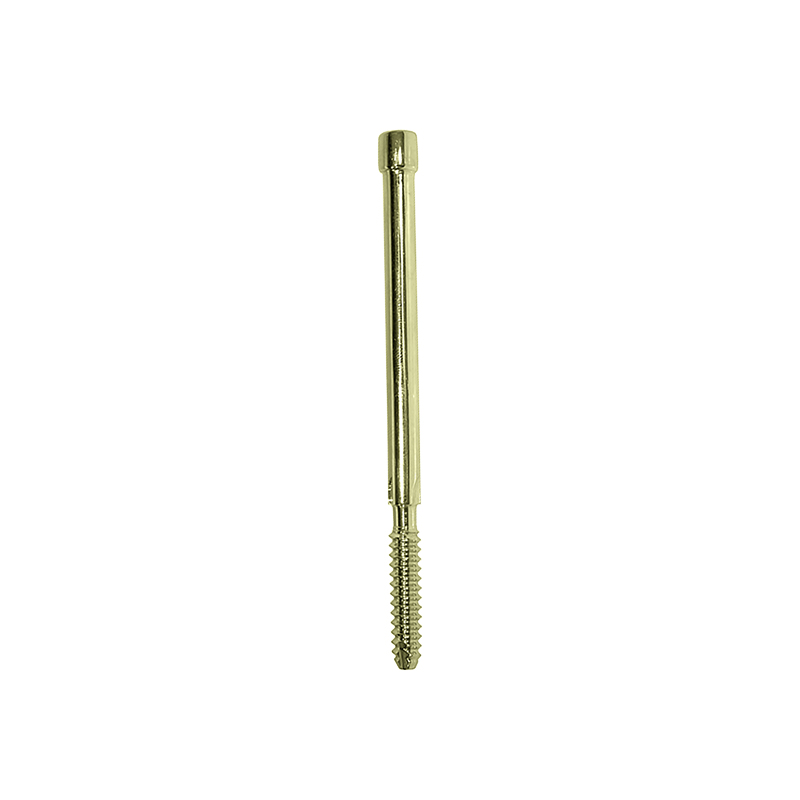

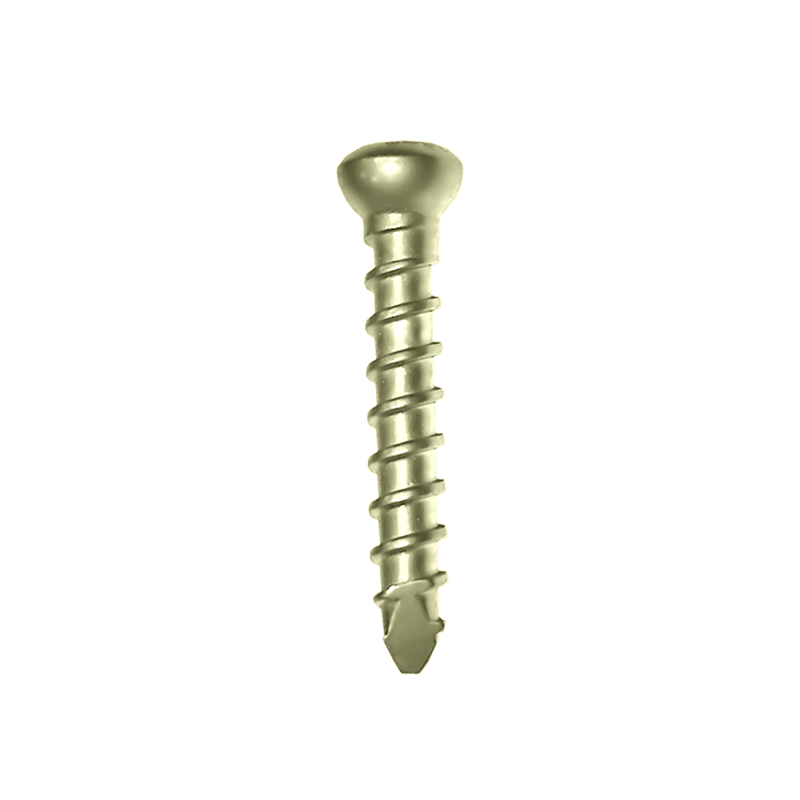
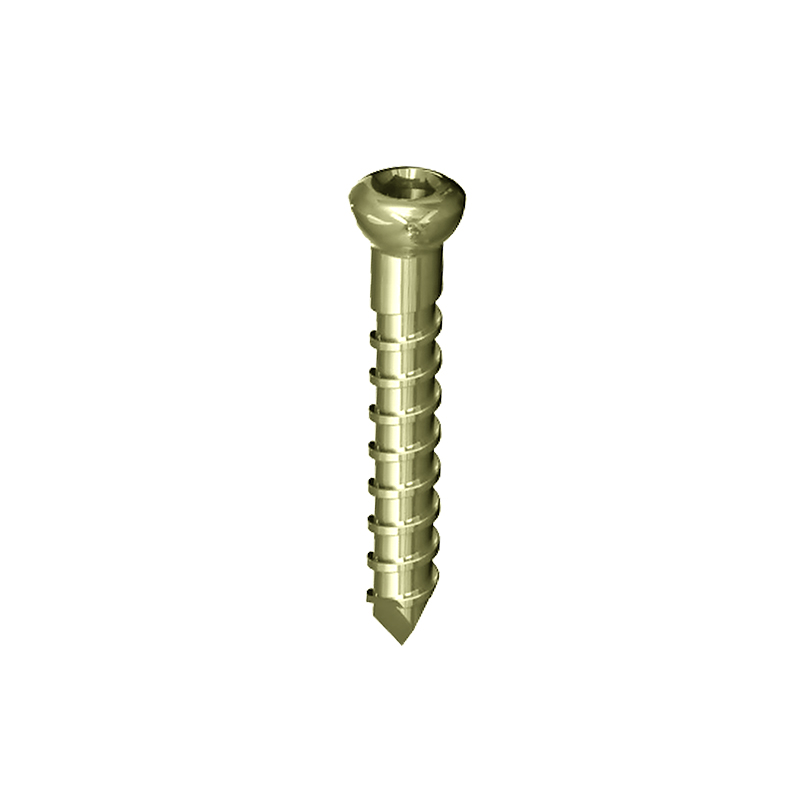
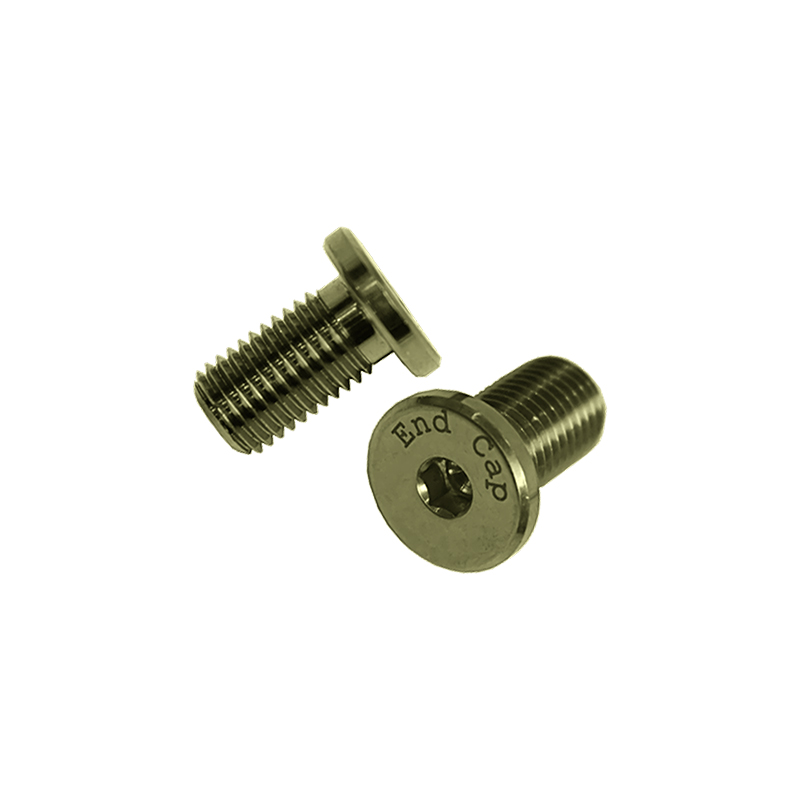
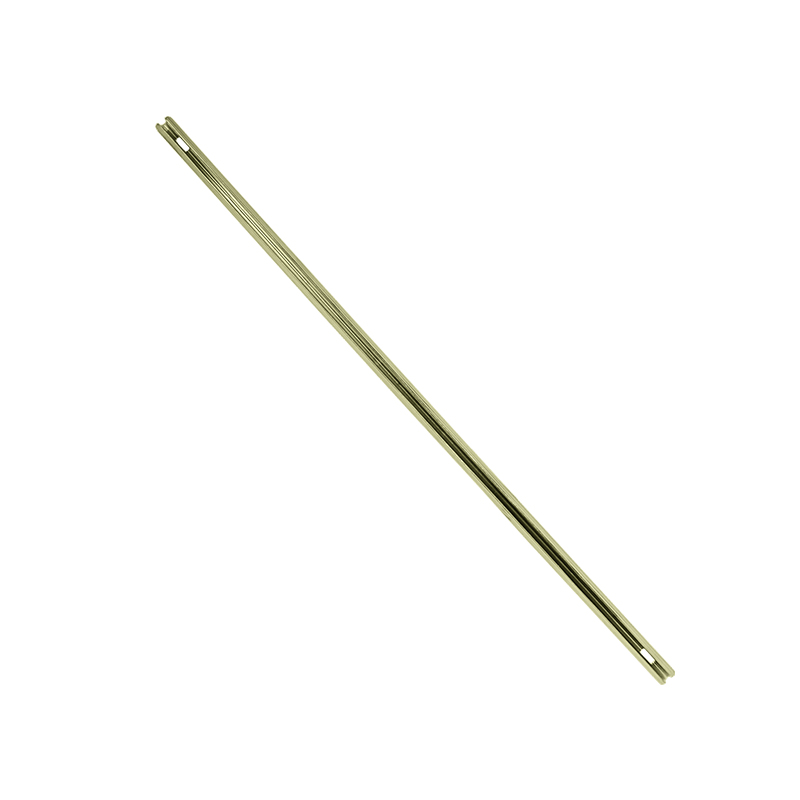
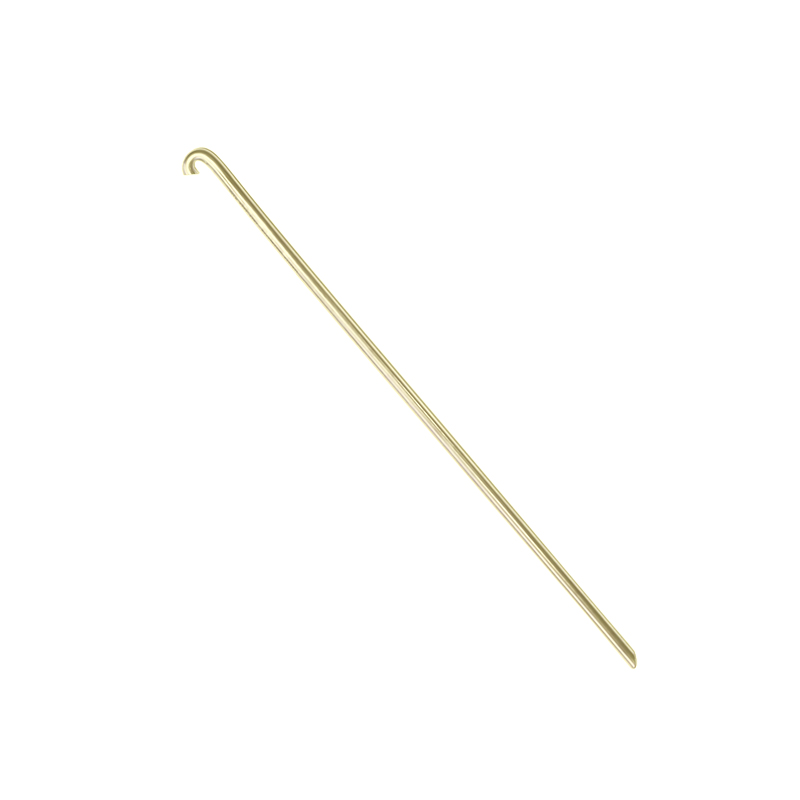
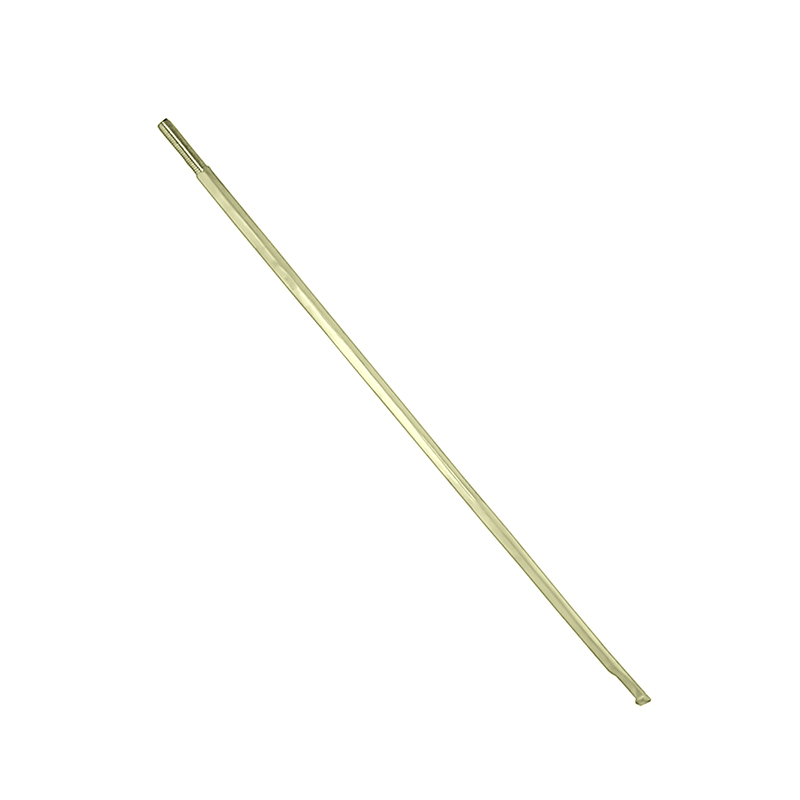
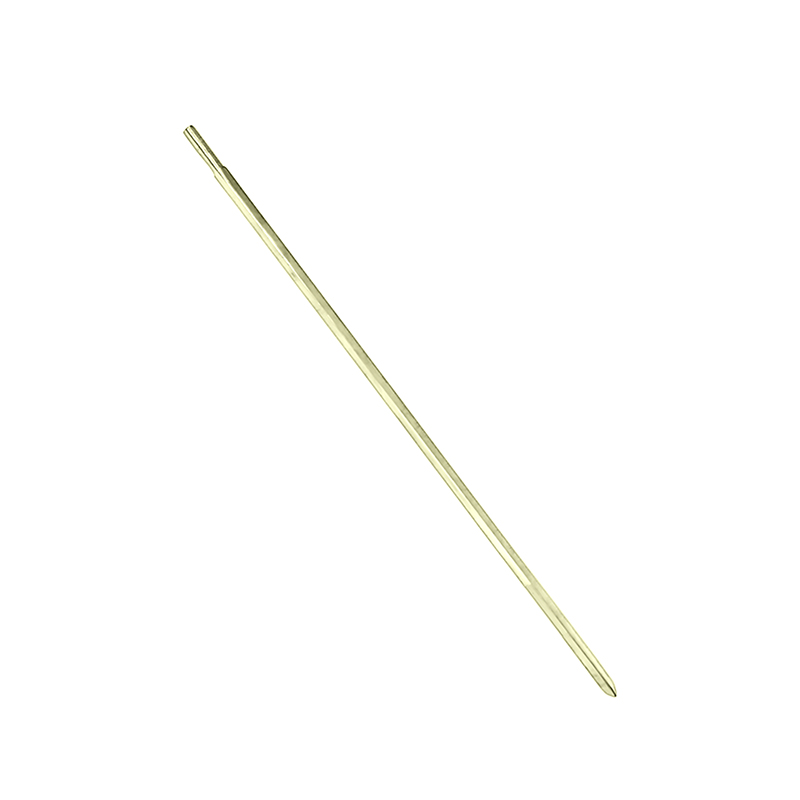
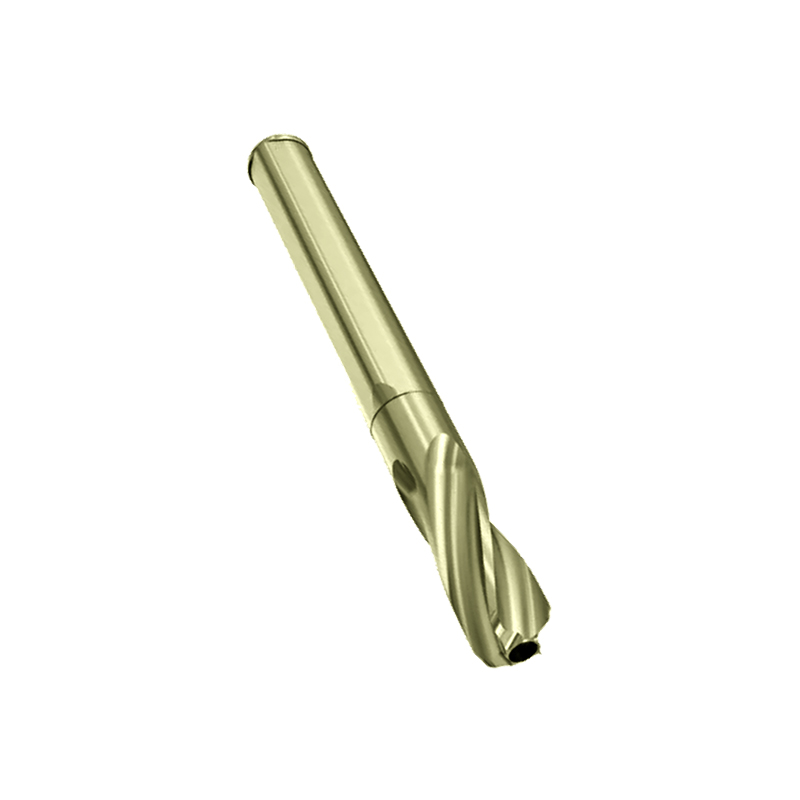
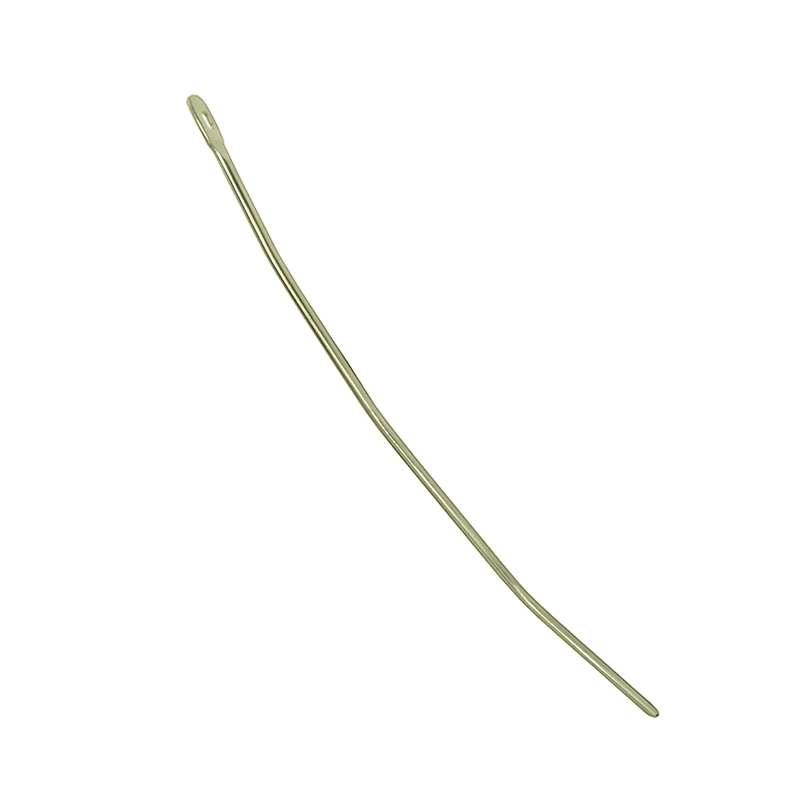
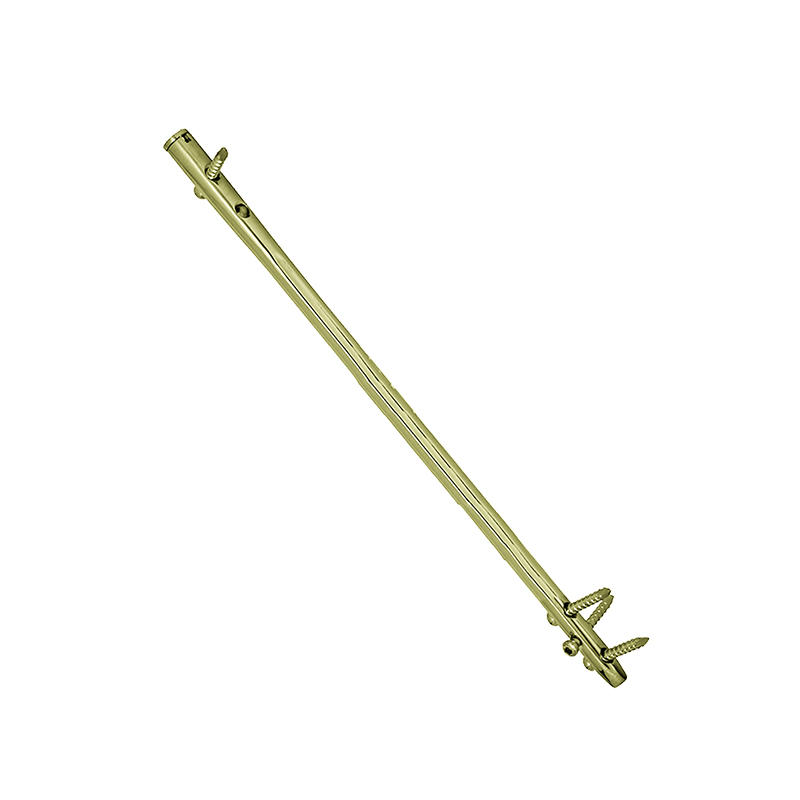
130° Trochanteric Proximal Femur Nail Antirotation – 2 Cannulated is an intramedullary fixation system designed for trochanteric femur fractures. Featuring a 130° neck-shaft angle with dual cannulated screw configuration, it provides superior anti-rotational stability, precise placement, and minimally invasive surgical application.
The 130° Trochanteric Proximal Femur Nail Antirotation – 2 Cannulated is an advanced orthopedic implant specifically developed for the treatment of trochanteric and proximal femoral fractures, including unstable intertrochanteric fractures. Designed with a trochanteric entry point, it allows easier surgical access, reduced soft tissue damage, and efficient implant positioning.
This system features a 130° neck-shaft angle, offering anatomically accurate alignment and optimal load distribution across the fracture site. The dual cannulated screw configuration (2 screws) provides enhanced anti-rotational stability and controlled compression, ensuring strong fixation even in osteoporotic bone.
The cannulated design enables insertion over a guide wire, improving surgical accuracy and minimizing intraoperative complications. The implant is manufactured from high-quality Stainless Steel (SS) or Titanium (Ti), ensuring excellent strength, fatigue resistance, and long-term biocompatibility.

This will close in 21 seconds
Got questions? Ideas? Fill out the form below & our specialist will contact you.
Need help? Our team is just a message away