
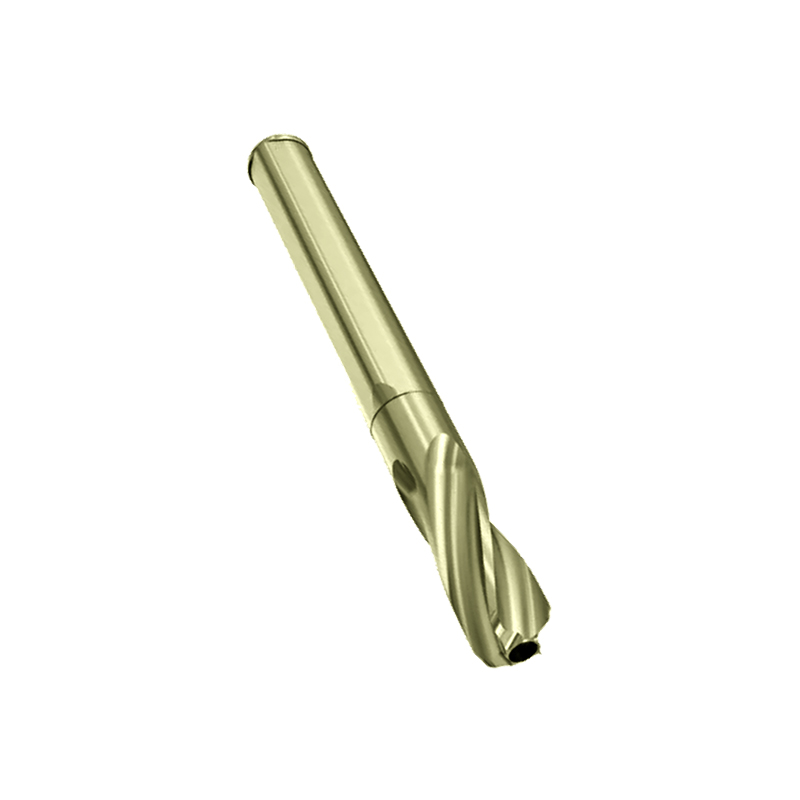
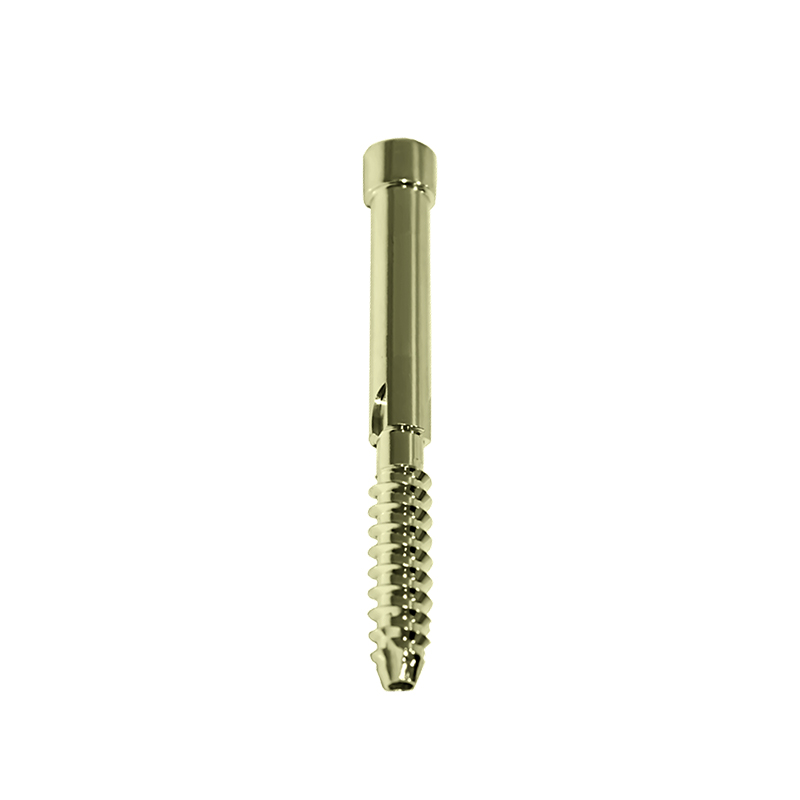
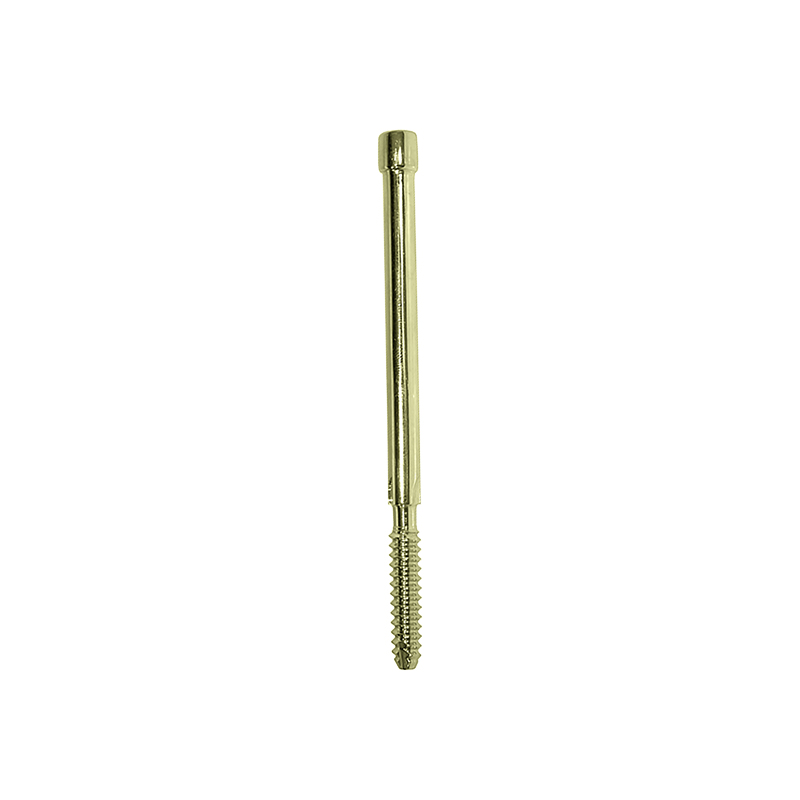
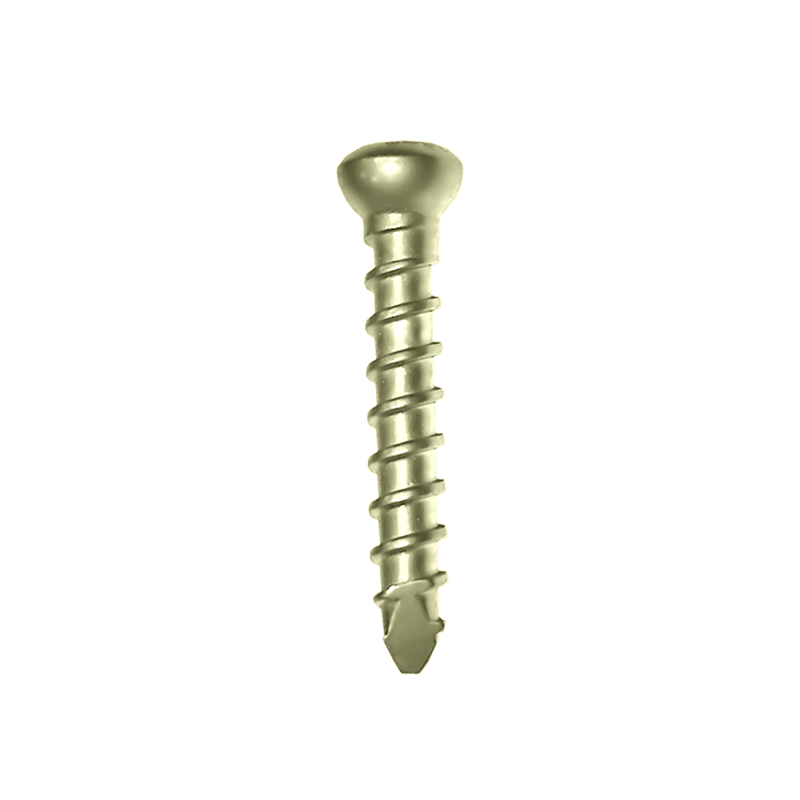
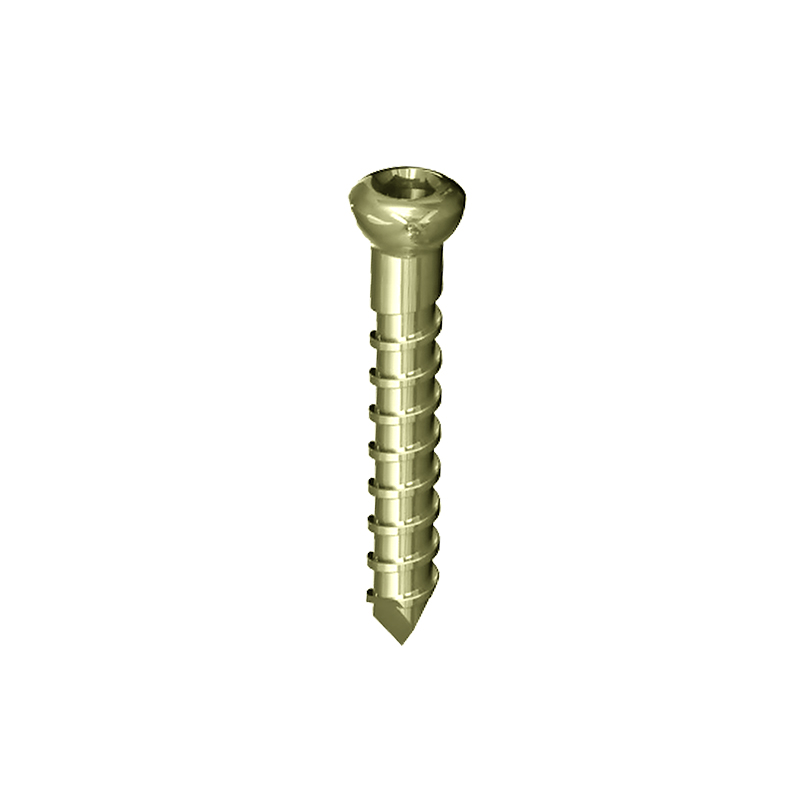
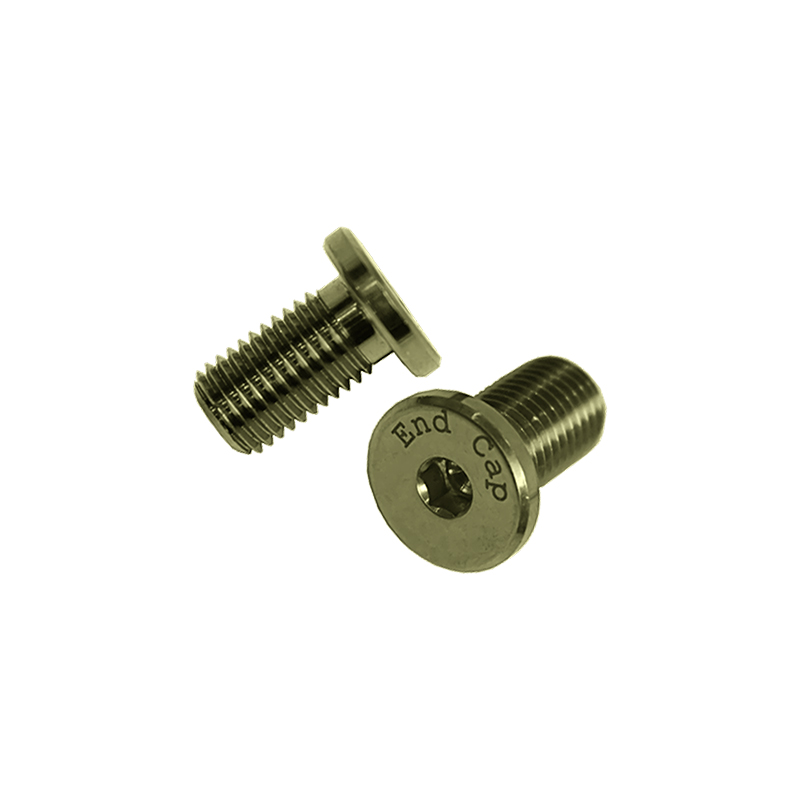
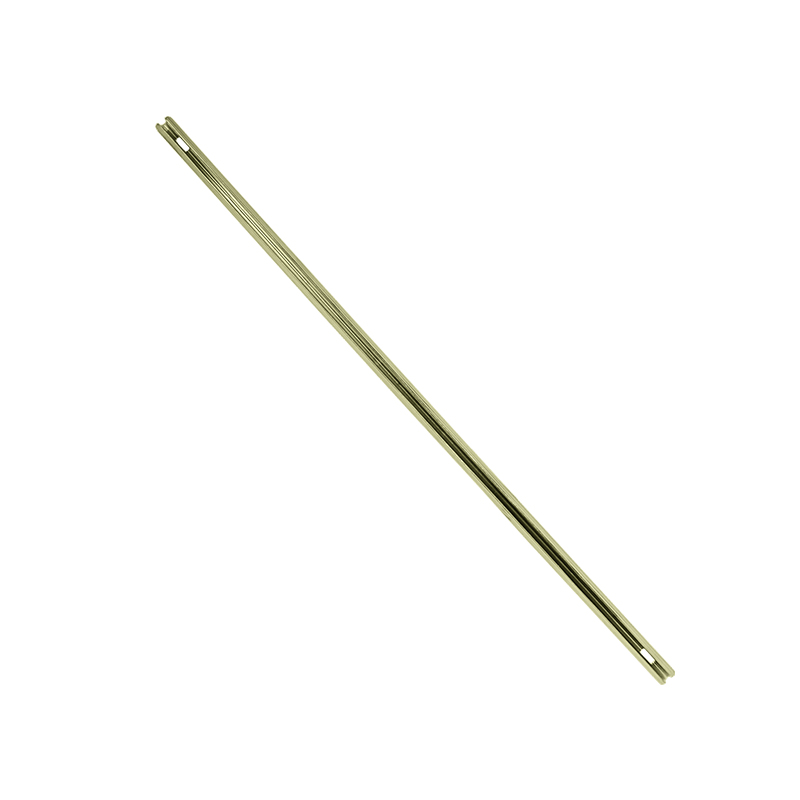
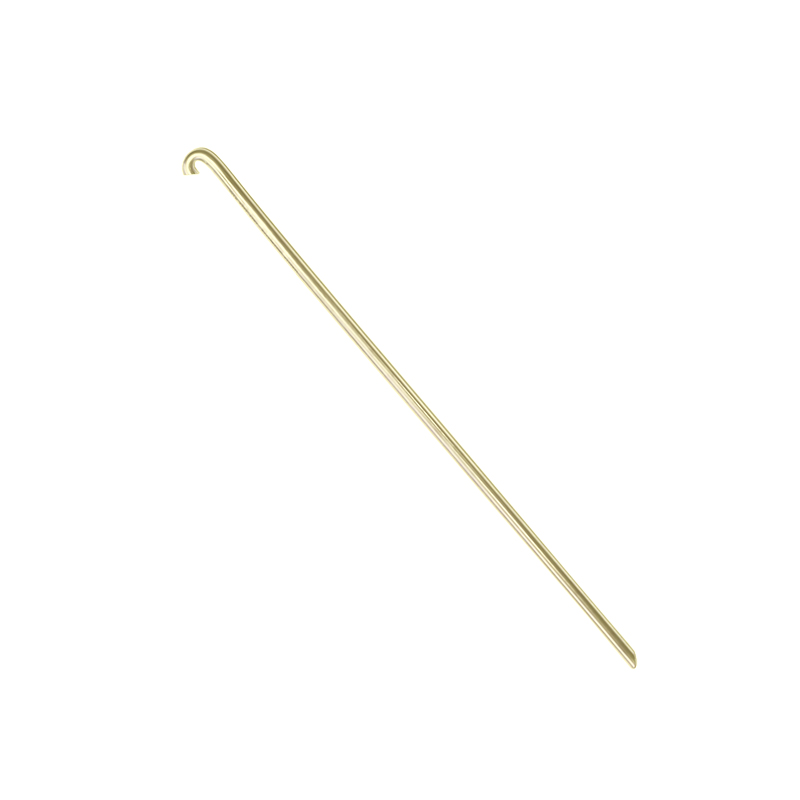
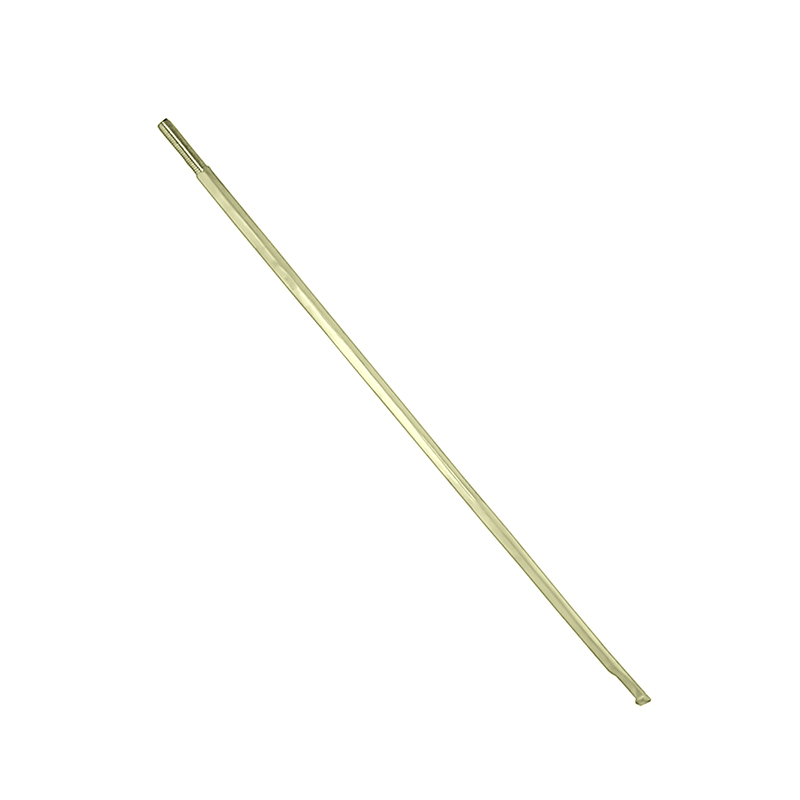
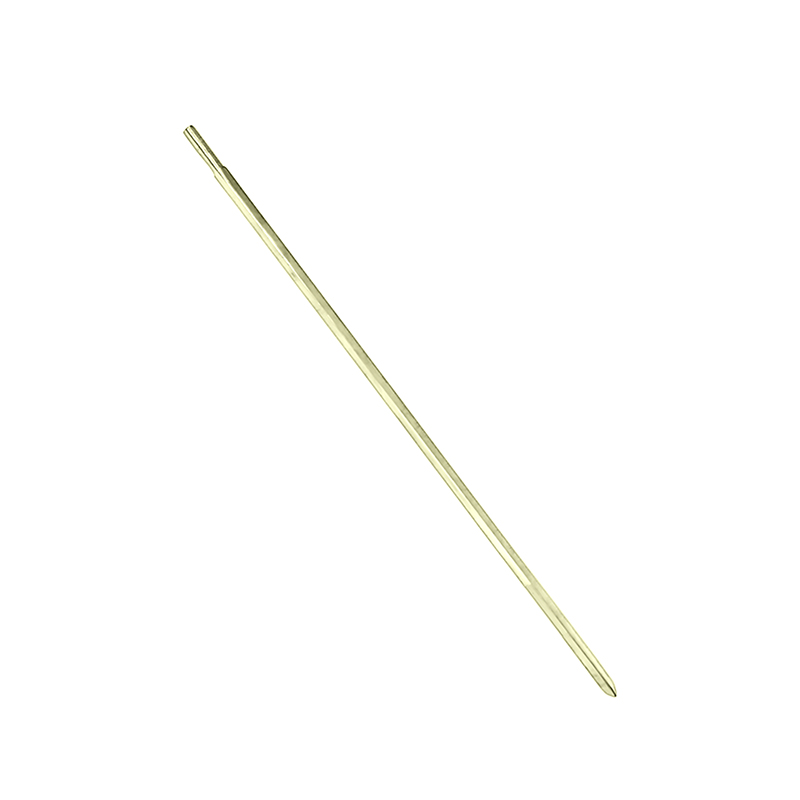
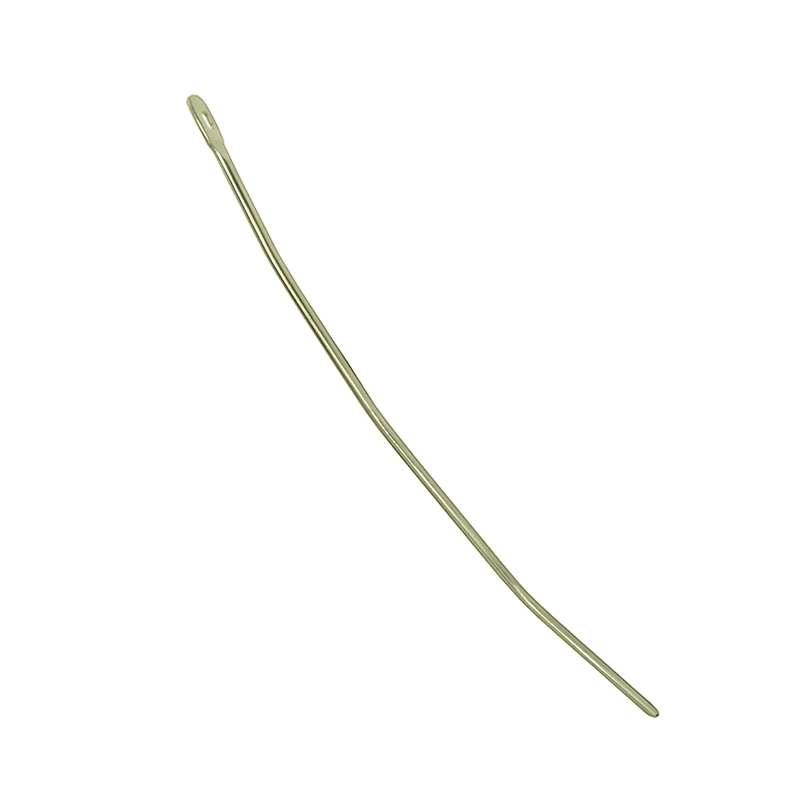

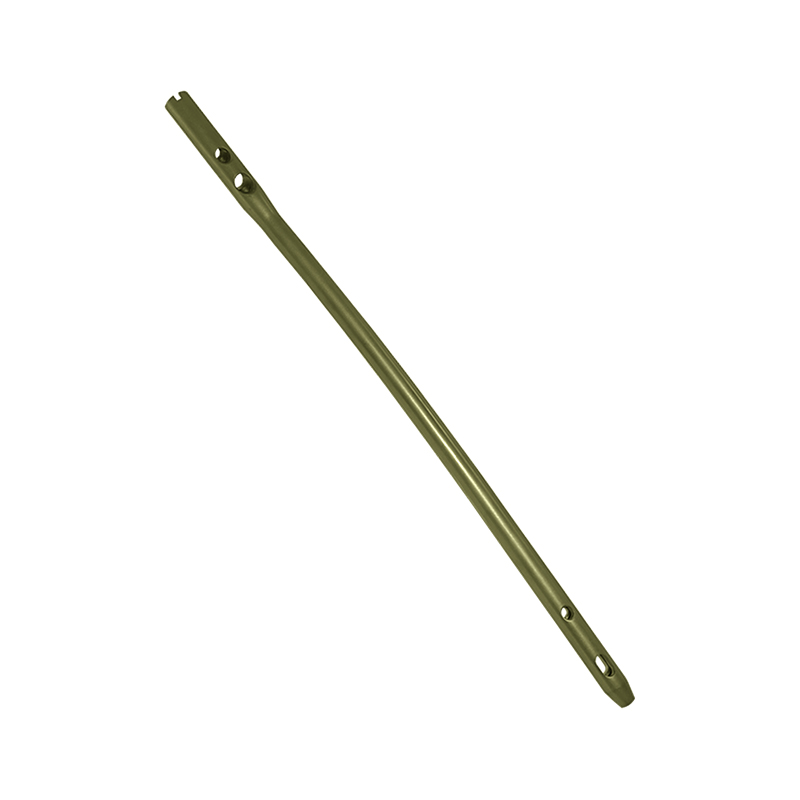
12.0 mm Cannulated PFNA – 2 Blade is an advanced intramedullary fixation system designed for proximal femur fractures. Featuring a cannulated nail with dual blade configuration, it provides superior rotational stability, strong bone anchorage, and precise minimally invasive insertion.
The 12.0 mm Cannulated PFNA – 2 Blade (Proximal Femoral Nail Antirotation) is a high-performance orthopedic implant engineered for the effective treatment of proximal femur fractures, including unstable intertrochanteric and subtrochanteric fractures. With a 12.0 mm nail diameter, it offers enhanced mechanical strength and durability, making it suitable for a wide range of patient anatomies.
This system features a dual blade (2 blade) configuration, designed to provide maximum anti-rotational stability and superior fixation within the femoral head. The blades compress cancellous bone during insertion, improving anchorage and reducing the risk of cut-out, especially in osteoporotic bone.
The cannulated design allows for accurate placement over a guide wire, ensuring precise alignment and reducing surgical complications. The nail is manufactured from high-quality Stainless Steel (SS) or Titanium (Ti), offering excellent strength, fatigue resistance, and long-term biocompatibility.
The PFNA system supports proximal blade fixation for controlled compression and includes distal locking options to maintain axial and rotational stability throughout the femur.

This will close in 21 seconds
Got questions? Ideas? Fill out the form below & our specialist will contact you.
Need help? Our team is just a message away