
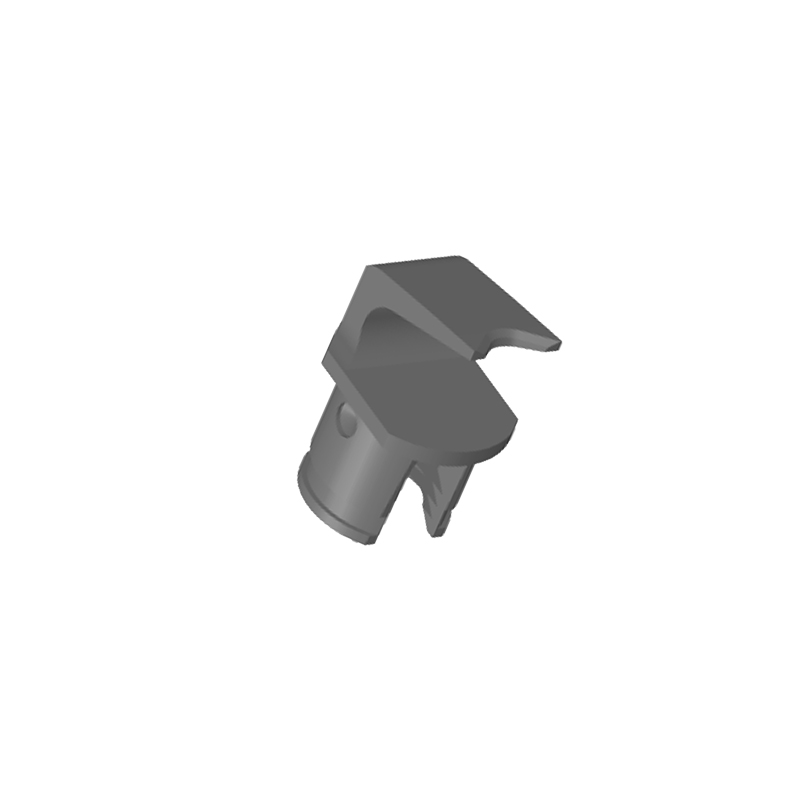
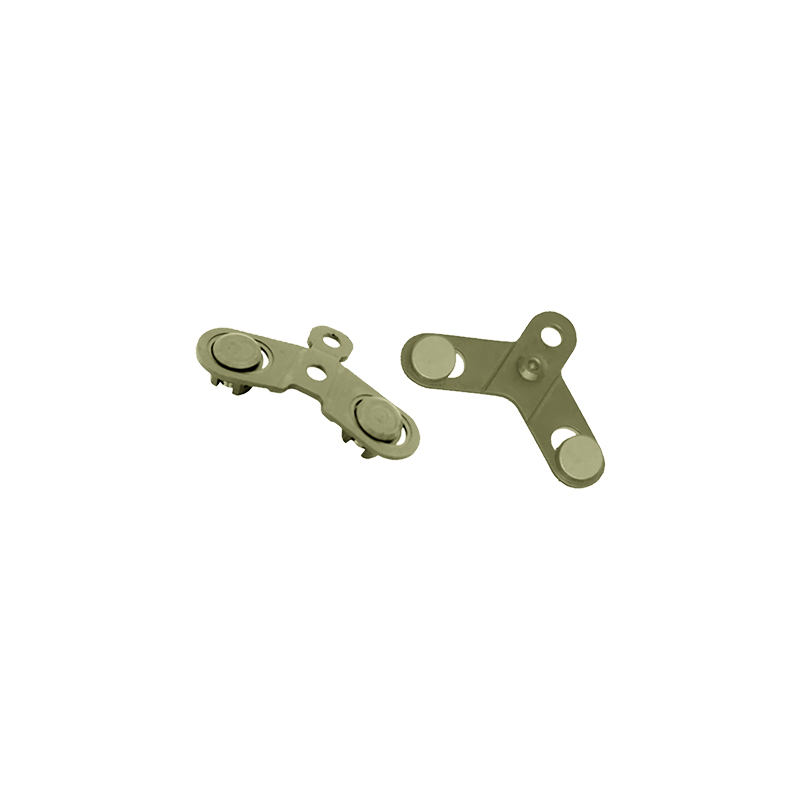
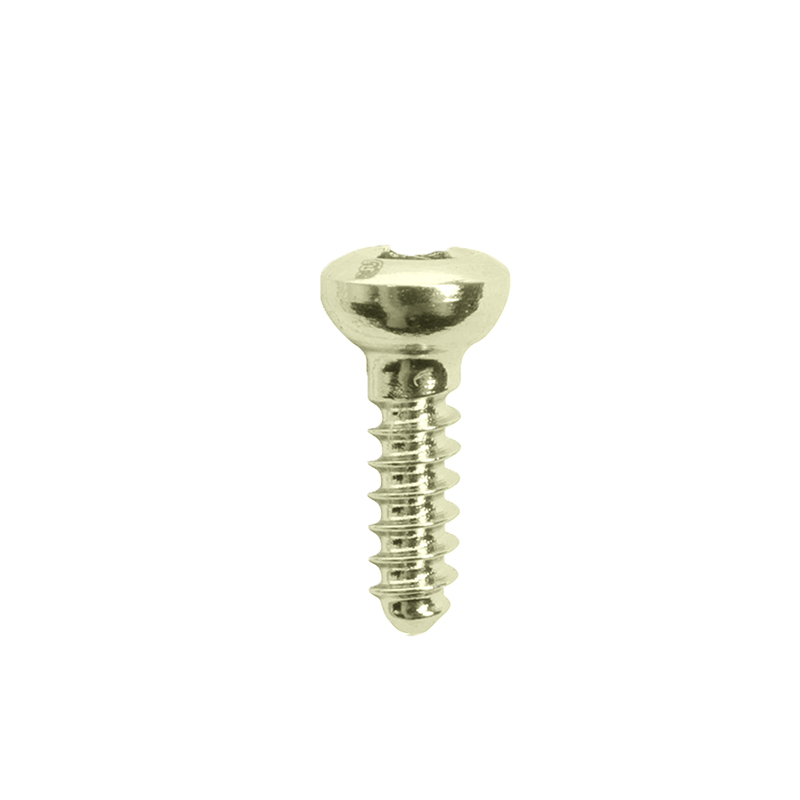
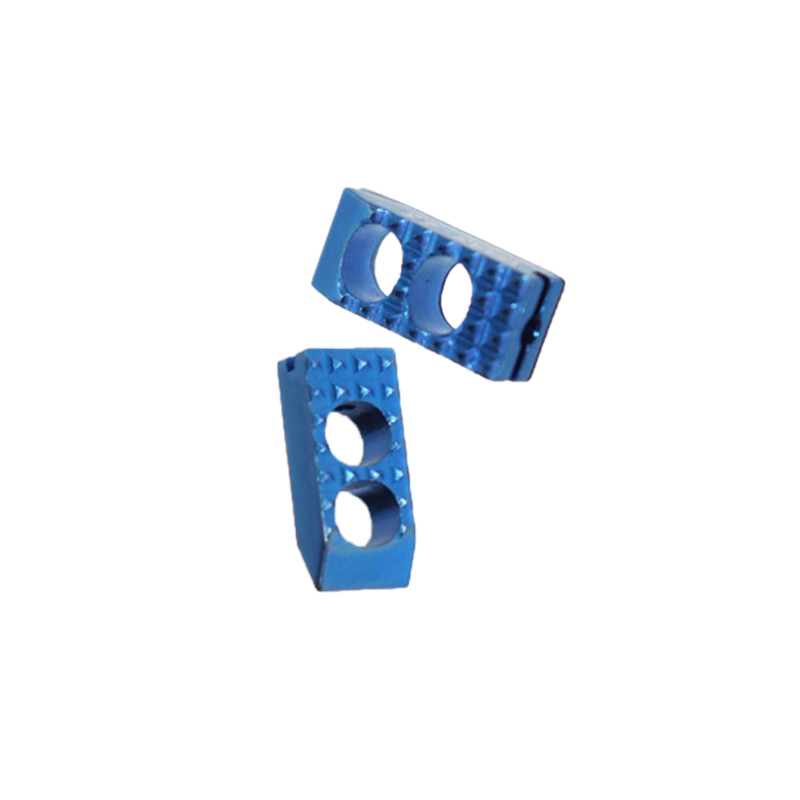
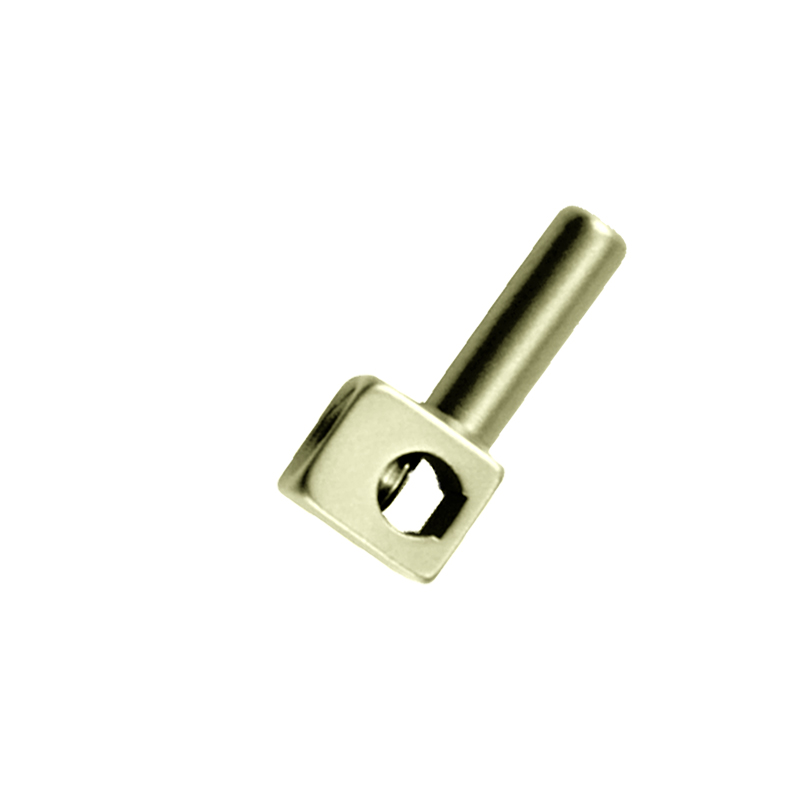
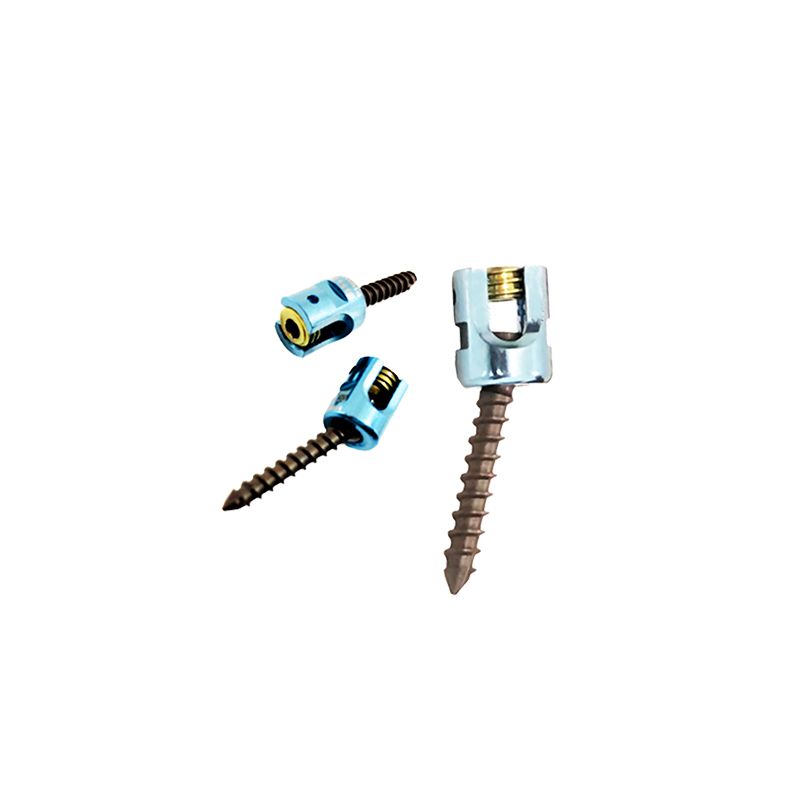
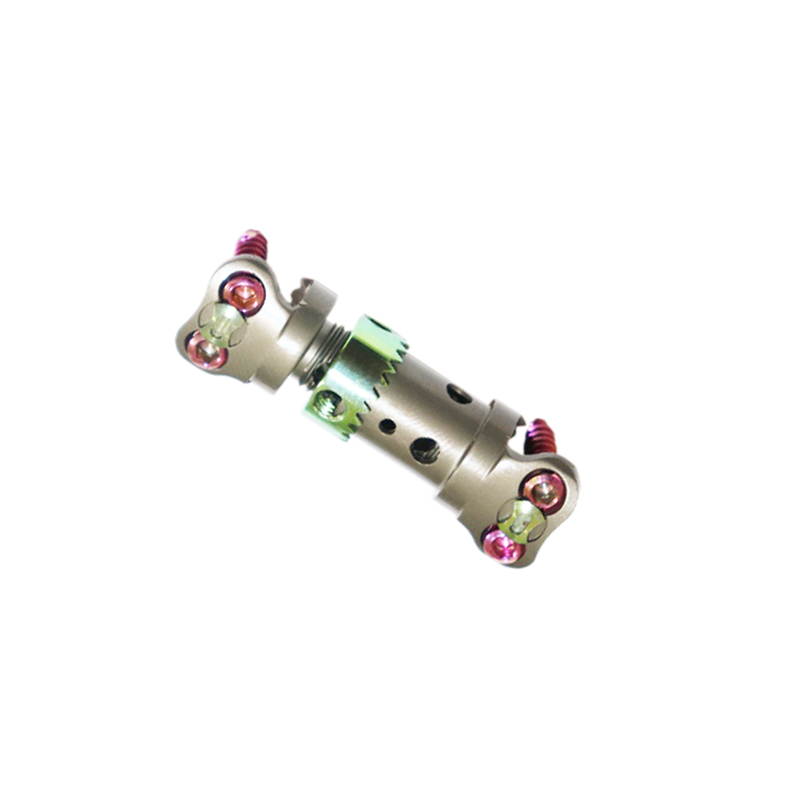
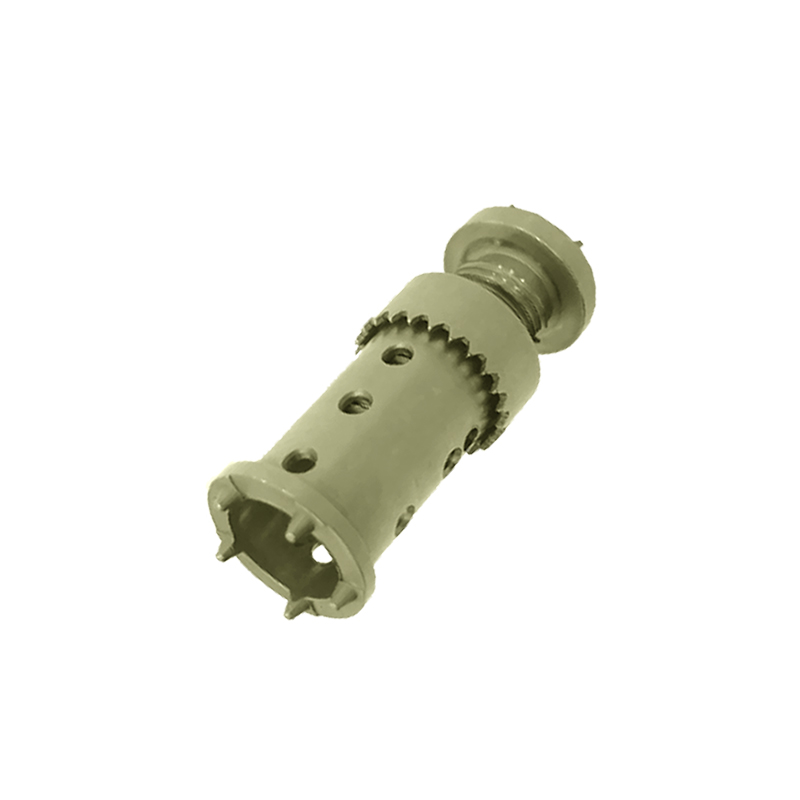
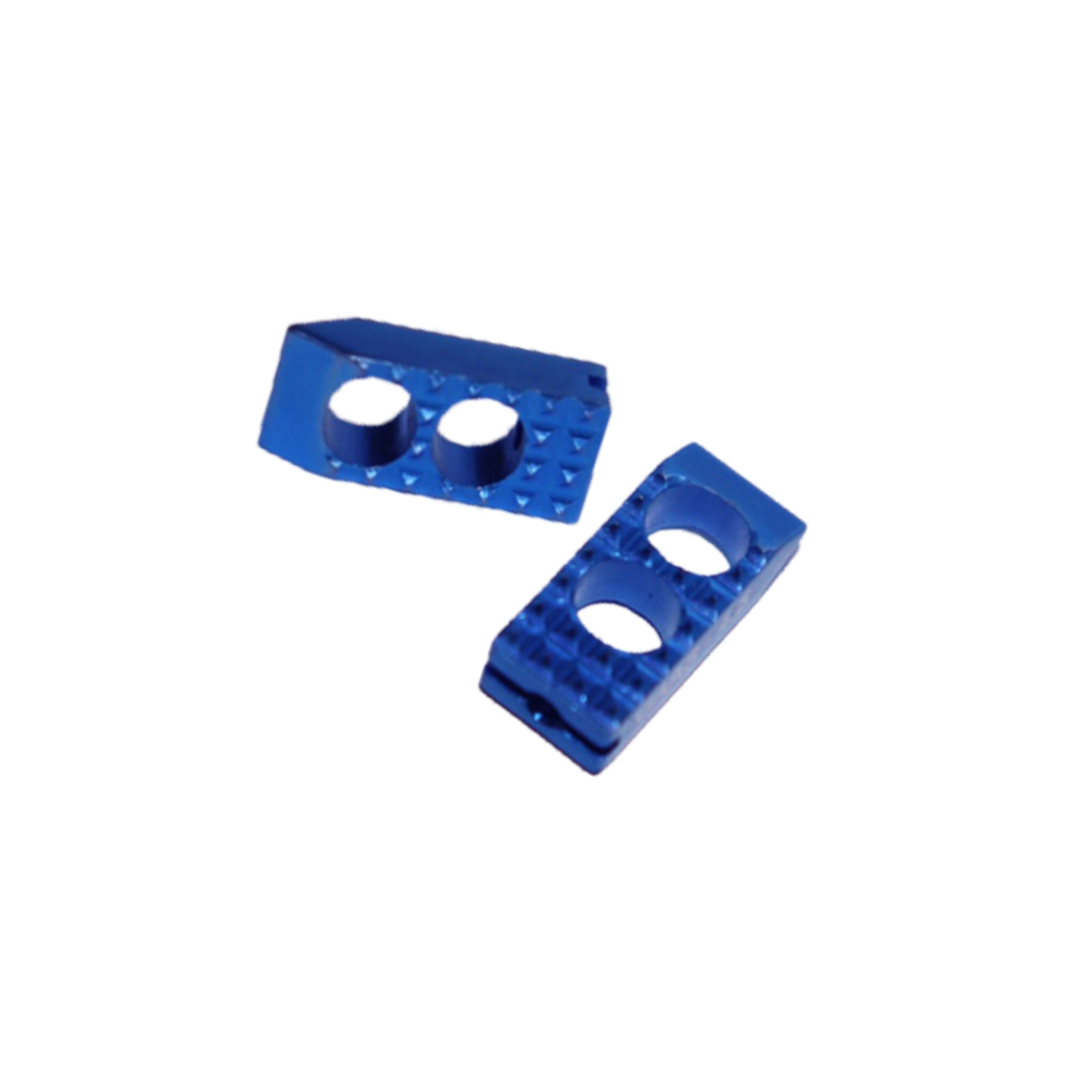
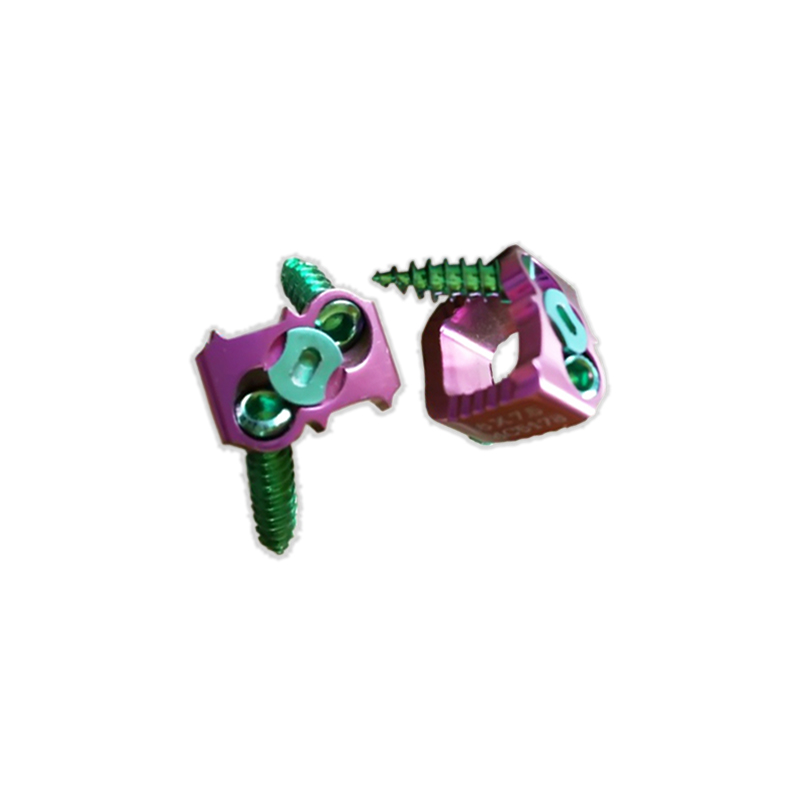
A pedicle hook is a spinal fixation device used to anchor onto the pedicle or lamina of a vertebra, providing stable support and connection to rods in spinal instrumentation systems.
A pedicle hook is a specialized spinal implant used in posterior spinal fixation systems, designed to grip the pedicle or laminar structures of the vertebra to provide secure anchorage. Unlike screws, which are inserted into bone, hooks are placed around bony structures, making them useful in cases where screw placement is not feasible or additional fixation points are required.
Pedicle hooks are typically used in combination with spinal rods, forming part of a hook-rod construct that helps maintain spinal alignment, stability, and load distribution. They are available in various designs such as up-going, down-going, and transverse process hooks, allowing surgeons to select the appropriate configuration based on anatomical and surgical requirements.
Manufactured from medical-grade titanium or stainless steel, pedicle hooks offer high strength, durability, and excellent biocompatibility. Their design ensures secure engagement with the bone while minimizing the risk of slippage, contributing to a stable construct.
Pedicle hooks are widely used in spinal deformity correction (such as scoliosis), trauma fixation, and fusion procedures, especially in pediatric or complex cases where versatility and alternative fixation methods are needed.

This will close in 21 seconds
Got questions? Ideas? Fill out the form below & our specialist will contact you.
Need help? Our team is just a message away