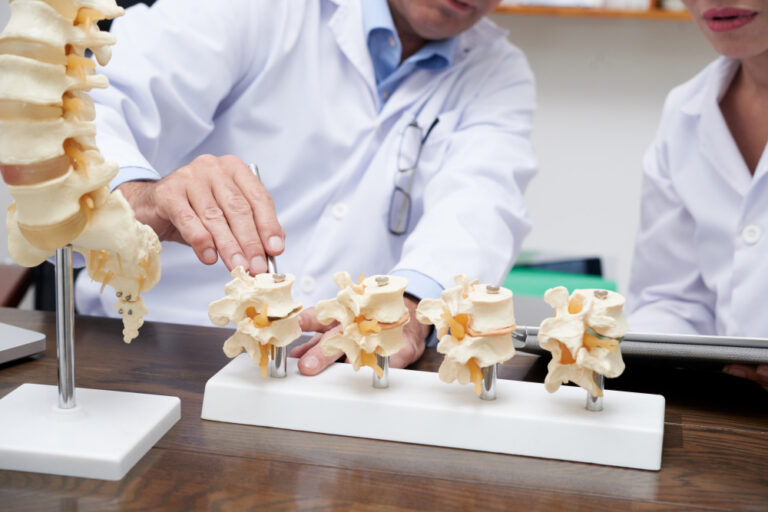

Choosing the right orthopedic implant is a critical decision that directly impacts the success of surgical procedures and patient recovery. Whether it is for joint replacement, trauma fixation, or spinal support, the quality and reliability of an implant play a vital role in ensuring long-term outcomes. With a wide range of options available in the market, making an informed choice requires careful consideration of several important factors.
Understanding Orthopedic Implants
Orthopedic implants are medical devices used to replace, support, or enhance damaged bones and joints. Common types include hip implants, knee replacements, spinal implants, and trauma fixation devices such as plates, screws, and rods. These implants are designed to restore mobility, reduce pain, and improve the overall quality of life for patients.
Given their critical function, selecting the right implant is not just about availability but about ensuring safety, durability, and compatibility with the human body.
Importance of Quality and Reliability
The reliability of an orthopedic implant determines its performance over time. A high-quality implant is designed to withstand daily stress, resist wear and tear, and integrate effectively with the body. Poor-quality implants, on the other hand, may lead to complications such as implant failure, infection, or the need for revision surgery.
Reliable implants are manufactured using advanced technology and strict quality control processes. They are tested extensively to ensure they meet international safety and performance standards.
Material Matters
One of the most important factors to consider when choosing an orthopedic implant is the material used in its construction. Common materials include titanium alloys, stainless steel, cobalt-chromium, and medical-grade polymers.
Titanium is widely preferred due to its strength, lightweight nature, and excellent biocompatibility. It also supports osseointegration, allowing the implant to bond naturally with the bone. Cobalt-chromium alloys offer high wear resistance, making them suitable for joint replacements. Polymers are often used in combination with metals to reduce friction and improve joint movement.
Selecting the right material ensures the implant performs effectively and lasts for a longer period.
Design and Fit
Every patient is unique, and so are their anatomical requirements. The design and fit of an implant play a crucial role in its success. Modern orthopedic implants are designed using advanced technologies such as computer-aided design (CAD) to achieve precise dimensions and optimal performance.
A well-designed implant should closely match the patient’s anatomy, ensuring proper alignment and stability. Customized or patient-specific implants are becoming increasingly popular as they provide better fit and improved outcomes.
Certification and Compliance
When choosing an orthopedic implant, it is essential to verify that it meets recognized quality standards. Certifications such as ISO and CE indicate that the product has undergone rigorous testing and complies with international regulations.
These certifications ensure that the implant is safe, reliable, and suitable for medical use. Working with manufacturers who follow strict quality guidelines helps minimize risks and ensures consistent performance.
Manufacturer Reputation
The reputation of the manufacturer is another key factor to consider. Established manufacturers with a proven track record are more likely to provide high-quality and reliable products. They invest in research, innovation, and quality assurance to maintain their standards.
Choosing a trusted manufacturer also ensures better support, availability of products, and adherence to global best practices. It builds confidence among healthcare providers and contributes to successful surgical outcomes.
Sterilization and Packaging
Proper sterilization is essential to prevent infections during surgical procedures. Reliable orthopedic implants are sterilized using advanced techniques and packaged in a way that maintains their sterility until use.
High-quality packaging protects the implant from contamination and damage, ensuring it is safe and ready for surgical application. Always check for proper labeling and packaging integrity before selecting an implant.
Compatibility with Surgical Techniques
Different surgical procedures require specific types of implants. It is important to choose implants that are compatible with the intended surgical technique, whether it is traditional open surgery or minimally invasive procedures.
Modern implants are designed to support advanced surgical methods, enabling faster procedures and quicker recovery. Compatibility with surgical tools and techniques ensures smooth execution and better results.
Cost vs Value
While cost is an important consideration, it should not be the sole deciding factor. Low-cost implants may compromise on quality and performance, leading to higher long-term costs due to complications or replacements.
Investing in high-quality implants provides better value in terms of durability, reliability, and patient outcomes. It reduces the risk of additional procedures and enhances overall satisfaction.
Role of Innovation and Technology
Technological advancements are continuously improving orthopedic implant solutions. Innovations such as 3D printing, smart implants, and advanced surface coatings are enhancing the performance and longevity of implants.
3D printing allows for customized designs, while smart implants can monitor healing and provide real-time data. These advancements are shaping the future of orthopedic care and offering new possibilities for better treatment outcomes.
Consultation with Experts
Choosing the right orthopedic implant should always involve consultation with experienced healthcare professionals. Surgeons and medical experts can evaluate the patient’s condition, recommend suitable options, and ensure the best possible outcome.
Their expertise helps in selecting implants that match the patient’s needs and the complexity of the procedure.
Conclusion
Selecting reliable orthopedic implants is a crucial step in ensuring successful surgical outcomes and long-term patient satisfaction. By considering factors such as material quality, design, certification, manufacturer reputation, and technological advancements, healthcare providers can make informed decisions.
A smart approach to choosing orthopedic implants not only enhances surgical performance but also improves patient recovery and quality of life. As the field of orthopedics continues to evolve, focusing on quality, innovation, and reliability will remain essential for achieving excellence in healthcare.