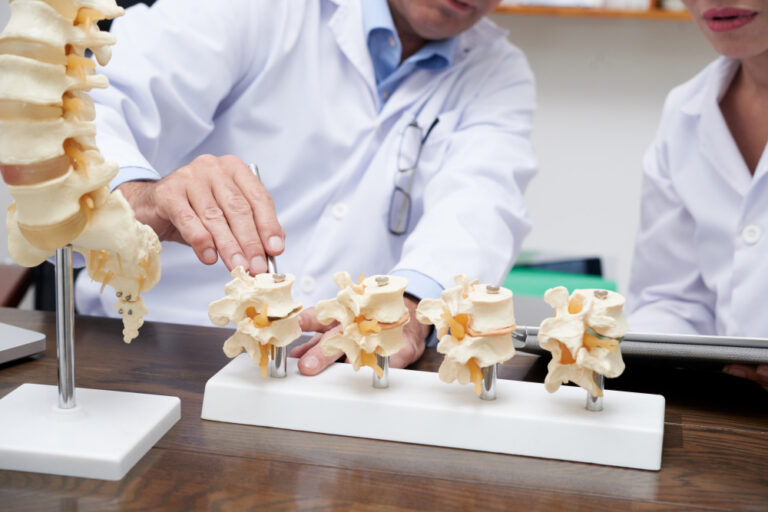

In the field of modern healthcare, surgical procedures demand the highest levels of precision, reliability, and safety. While the expertise of surgeons plays a vital role, the quality of surgical instruments used during procedures is equally critical. High-quality surgical instruments not only enhance the efficiency of surgeries but also ensure better patient outcomes, reduced complications, and long-term success.
The Importance of Precision in Surgery
Surgery is a highly delicate process where even the smallest error can have significant consequences. Surgical instruments must be designed with extreme precision to allow surgeons to perform complex procedures with accuracy. Instruments such as forceps, scalpels, retractors, and clamps must function flawlessly to provide proper control and stability.
High-quality instruments are manufactured with tight tolerances and superior craftsmanship, ensuring smooth operation and reliability. This level of precision helps surgeons execute procedures more effectively, reducing the risk of errors and improving overall success rates.
Enhancing Patient Safety
Patient safety is the top priority in any medical procedure. Poor-quality surgical instruments can compromise safety by increasing the risk of infections, tissue damage, and surgical complications. Instruments that are not properly finished or sterilized may carry harmful contaminants, leading to post-operative infections.
Premium surgical instruments are made from high-grade materials that are resistant to corrosion and easy to sterilize. They undergo strict quality checks to ensure they meet international safety standards. As a result, they provide a safer surgical environment and contribute to faster patient recovery.
Durability and Reliability
Surgical instruments are subjected to repeated use, cleaning, and sterilization. Low-quality instruments may degrade quickly, lose their sharpness, or malfunction during procedures. This not only affects surgical performance but also increases costs due to frequent replacements.
High-quality instruments are built to last. They maintain their structural integrity and performance even after multiple uses and sterilization cycles. This durability ensures consistent performance, making them a reliable choice for healthcare professionals.
Improving Surgical Efficiency
Efficiency in the operating room is crucial for both surgeons and patients. High-quality surgical instruments are designed for ease of use, allowing surgeons to perform procedures smoothly and quickly. Ergonomically designed handles, balanced weight distribution, and precise control contribute to better handling.
When instruments perform reliably, surgeons can focus entirely on the procedure without worrying about equipment failure. This leads to shorter operation times, reduced fatigue, and improved workflow in the surgical environment.
Supporting Advanced Surgical Techniques
Modern medicine has introduced advanced surgical techniques such as minimally invasive procedures and robotic-assisted surgeries. These techniques require specialized instruments that meet high standards of precision and performance.
Quality surgical instruments are essential for supporting these innovations. They enable surgeons to perform complex procedures through smaller incisions, resulting in less pain, minimal scarring, and faster recovery for patients.
Cost-Effectiveness in the Long Run
While high-quality surgical instruments may require a higher initial investment, they prove to be more cost-effective over time. Their durability reduces the need for frequent replacements, and their reliability minimizes the risk of complications that could lead to additional treatments or extended hospital stays.
Healthcare facilities that invest in premium instruments often experience better operational efficiency and improved patient satisfaction, ultimately leading to long-term financial benefits.
Compliance with Industry Standards
Medical devices, including surgical instruments, must comply with strict regulatory standards. High-quality instruments are manufactured in accordance with international guidelines such as ISO and CE certifications. These standards ensure that the instruments meet safety, quality, and performance requirements.
Using certified instruments not only enhances patient safety but also builds trust among healthcare providers and patients. It reflects a commitment to excellence and adherence to global best practices.
Role of Material Selection
The choice of material plays a crucial role in determining the quality of surgical instruments. Stainless steel is widely used due to its strength, corrosion resistance, and ability to maintain sharpness. Advanced coatings and surface treatments further enhance the performance and longevity of instruments.
High-quality materials ensure that instruments can withstand the demands of surgical environments while maintaining their effectiveness over time.
Reducing Surgical Complications
One of the key benefits of using quality surgical instruments is the reduction in surgical complications. Instruments that function smoothly and accurately help minimize tissue trauma, bleeding, and infection risks.
This leads to better healing outcomes, shorter recovery periods, and higher patient satisfaction. In contrast, poor-quality instruments can increase the likelihood of errors and complications, negatively impacting both patients and healthcare providers.
Building Trust and Reputation
For hospitals, clinics, and manufacturers, the use of high-quality surgical instruments plays a significant role in building trust and reputation. Healthcare providers rely on dependable tools to deliver the best possible care to their patients.
Manufacturers that prioritize quality and innovation gain a competitive edge in the market. Their commitment to excellence is reflected in the performance of their products and the confidence of their clients.
Conclusion
Quality surgical instruments are a cornerstone of successful medical procedures. They directly impact the precision, safety, and efficiency of surgeries, ultimately influencing patient outcomes. From enhancing surgical performance to reducing complications and ensuring long-term reliability, the importance of high-quality instruments cannot be overstated.
As healthcare continues to evolve, the demand for advanced and reliable surgical tools will only grow. Investing in superior-quality instruments is not just a choice—it is a necessity for achieving excellence in patient care and maintaining the highest standards in the medical field.