
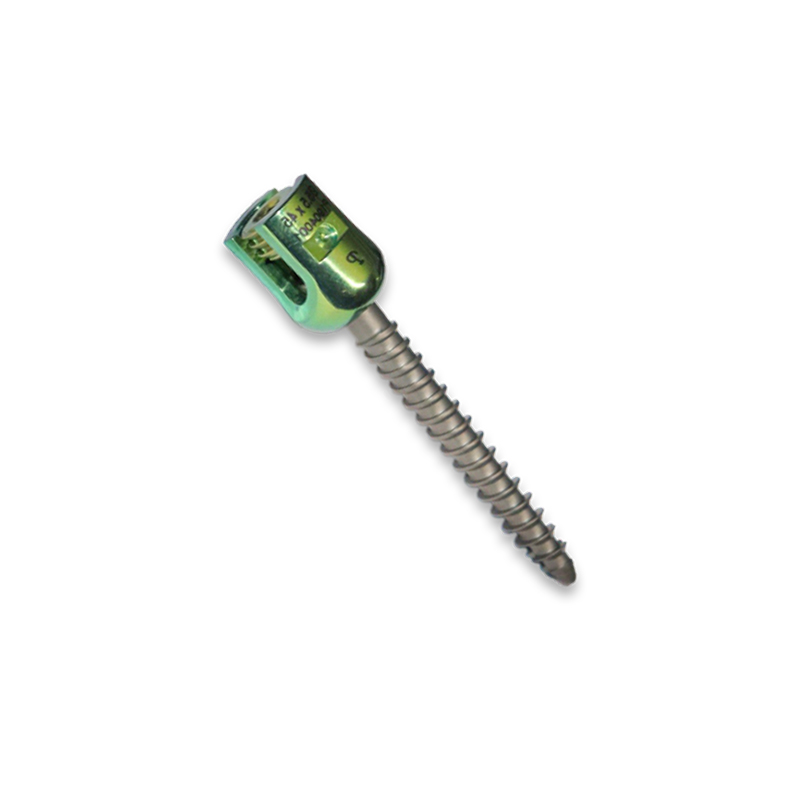
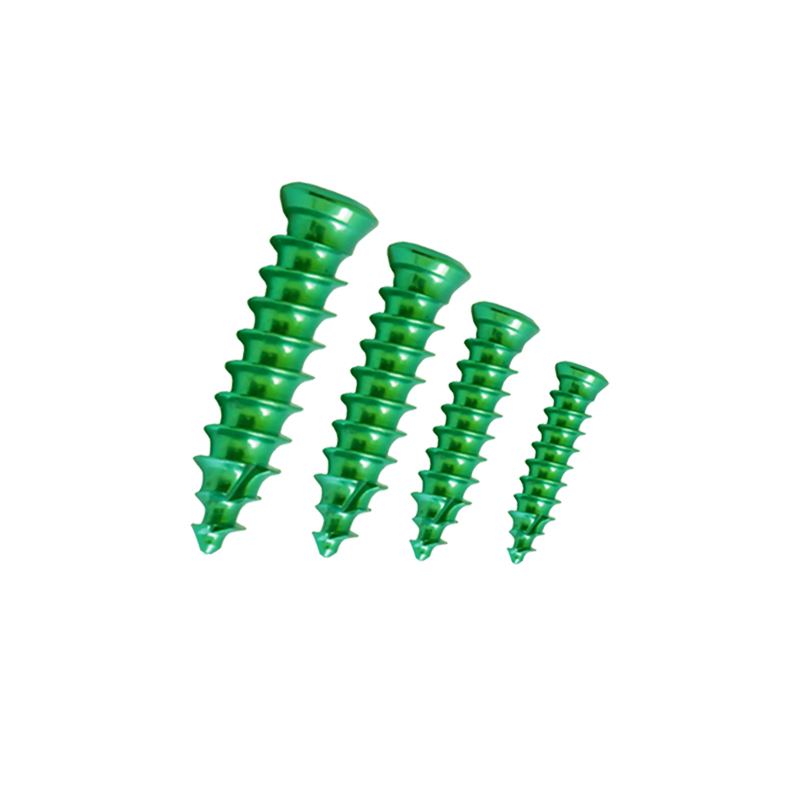
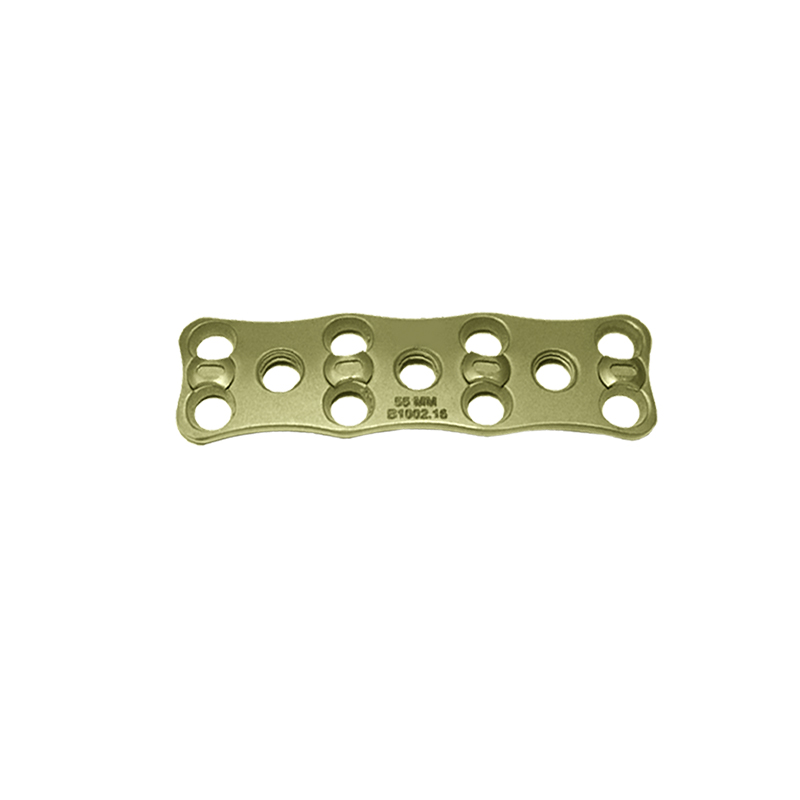
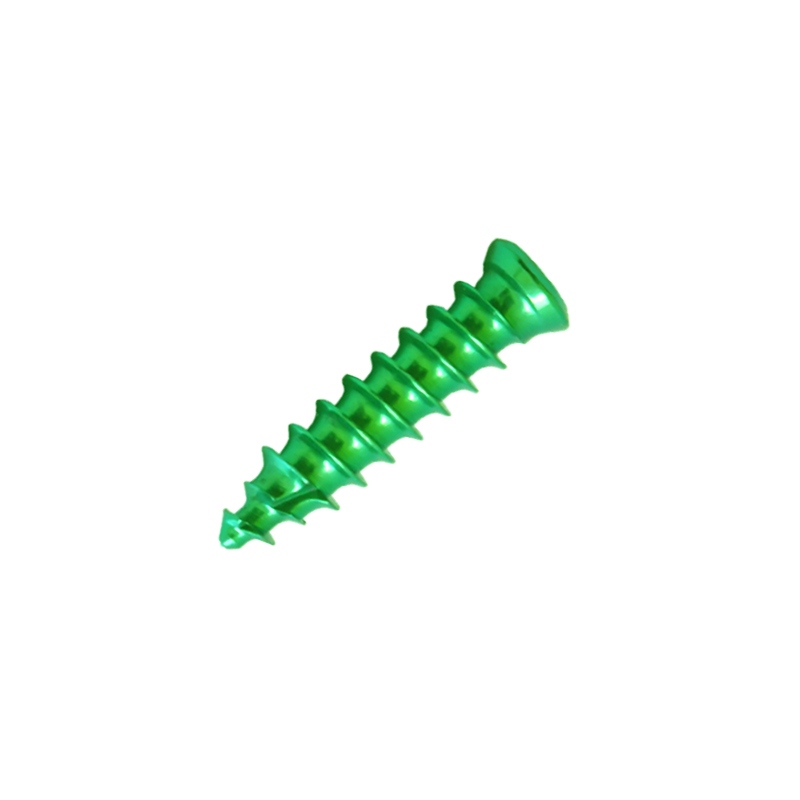
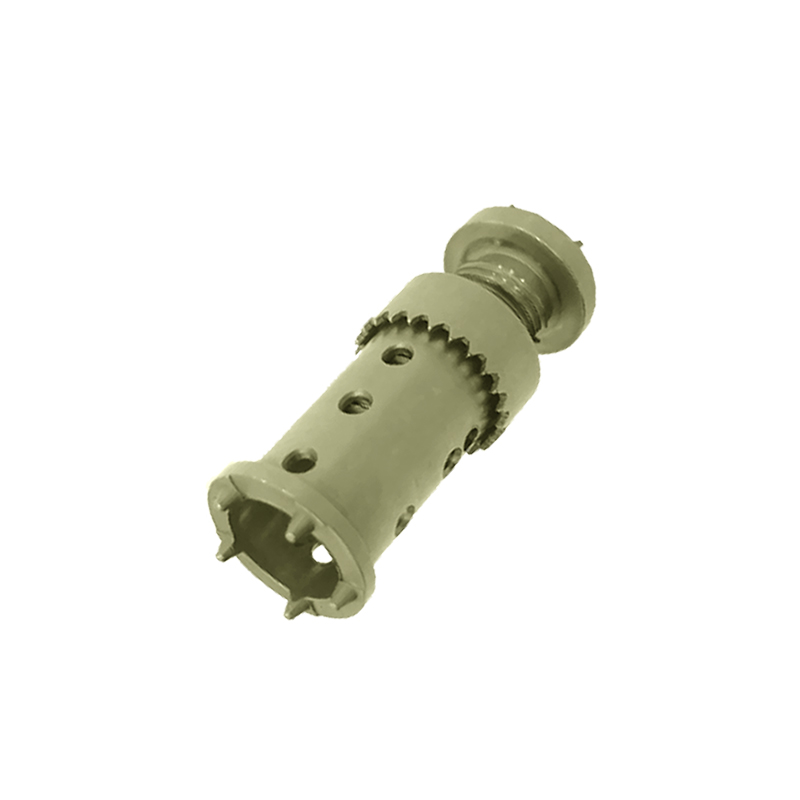
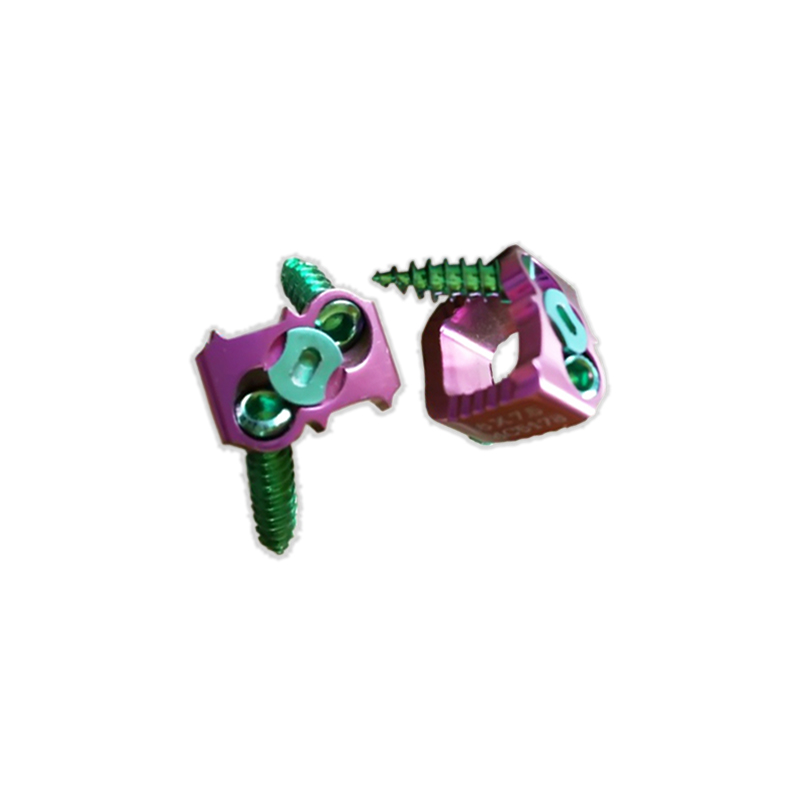
A regular polyaxial screw is a spinal pedicle screw with a movable head that can rotate relative to the screw shaft. This flexibility allows easier alignment with spinal rods during spinal fixation procedures such as spinal fusion surgery.
A regular polyaxial screw is an orthopedic implant used in spinal fixation systems to stabilize the vertebral column. Unlike monoaxial screws, polyaxial screws have a ball-and-socket joint between the screw shaft and the head, allowing the head to move in multiple directions. This multi-directional movement helps surgeons easily align the screw head with spinal rods, even when screws are inserted at slightly different angles.
The screw is inserted into the pedicle of a vertebra, providing a secure anchor in the bone. After insertion, a spinal rod is placed into the screw head, and a locking cap is used to secure the rod in place. The adjustable head simplifies the rod placement process and reduces stress during assembly of the spinal instrumentation system.
Polyaxial screws are typically manufactured from biocompatible materials such as titanium alloy or stainless steel, ensuring durability, corrosion resistance, and compatibility with the human body. These screws are widely used in spinal fusion, trauma treatment, deformity correction, and degenerative spine stabilization, as they provide flexibility during surgery while still offering strong spinal support.

This will close in 21 seconds
Got questions? Ideas? Fill out the form below & our specialist will contact you.
Need help? Our team is just a message away