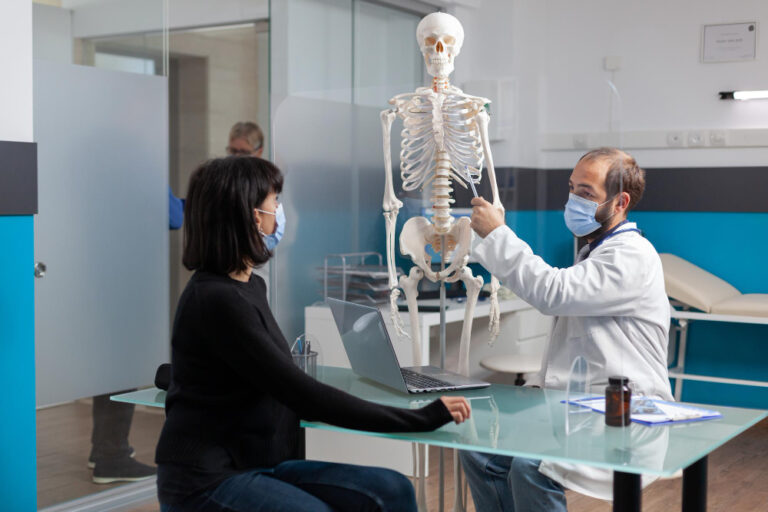
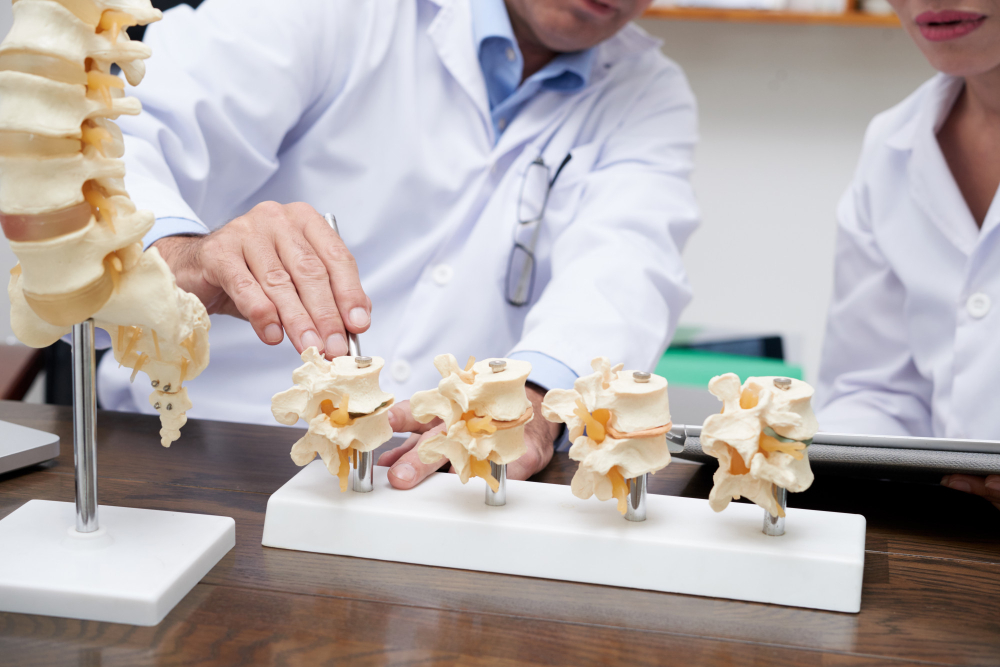
The field of orthopedic care has undergone a remarkable transformation in recent years, driven by rapid advancements in implant technology. What was once limited to basic metal supports has now evolved into a sophisticated system of high-performance, biocompatible, and patient-specific solutions. Advanced implant innovations are redefining bone care by improving surgical precision, accelerating recovery, and enhancing the overall quality of life for patients.
The Changing Landscape of Bone Care
Bone-related conditions such as fractures, arthritis, and degenerative diseases have become increasingly common due to aging populations, lifestyle changes, and rising accident rates. Traditional treatment methods often involved long recovery periods and limited mobility. However, modern orthopedic implants have significantly improved the way these conditions are treated.
Today’s implants are designed not only to support and stabilize bones but also to actively promote healing and restore natural movement. This shift marks a new era in bone care, where technology and medicine work together to deliver better outcomes.
Advanced Materials for Superior Performance
One of the key drivers of innovation in orthopedic implants is the use of advanced materials. Modern implants are made from high-grade metals such as titanium and cobalt-chromium, as well as specialized polymers and ceramics. These materials offer exceptional strength, durability, and resistance to corrosion.
Titanium, in particular, has revolutionized implant technology due to its lightweight nature and excellent biocompatibility. It integrates well with bone tissue, reducing the risk of rejection and ensuring long-term stability. Similarly, ceramic materials are used in joint replacements to minimize wear and improve performance.
These material advancements have made implants safer, more reliable, and longer-lasting than ever before.
Precision Engineering and Smart Design
The design of orthopedic implants has evolved significantly with the help of advanced engineering techniques. Modern implants are created using computer-aided design (CAD) and simulation tools that allow for precise modeling of bone structures.
This level of precision ensures that implants fit more accurately within the body, providing better alignment and functionality. Improved designs also reduce stress on surrounding tissues, minimizing discomfort and enhancing recovery.
Modular implant systems, which allow surgeons to adjust components during surgery, offer greater flexibility and customization. This adaptability leads to more successful outcomes and improved patient satisfaction.
The Role of 3D Printing Technology
3D printing has emerged as a groundbreaking innovation in orthopedic implant manufacturing. This technology enables the creation of highly customized implants tailored to the unique anatomy of each patient.
With 3D printing, manufacturers can produce complex structures that were previously impossible to achieve with traditional methods. These implants often feature porous surfaces that encourage bone growth and integration, resulting in stronger and more stable connections.
Additionally, 3D printing reduces production time and allows for rapid prototyping, making it easier to develop and test new designs.
Minimally Invasive Solutions
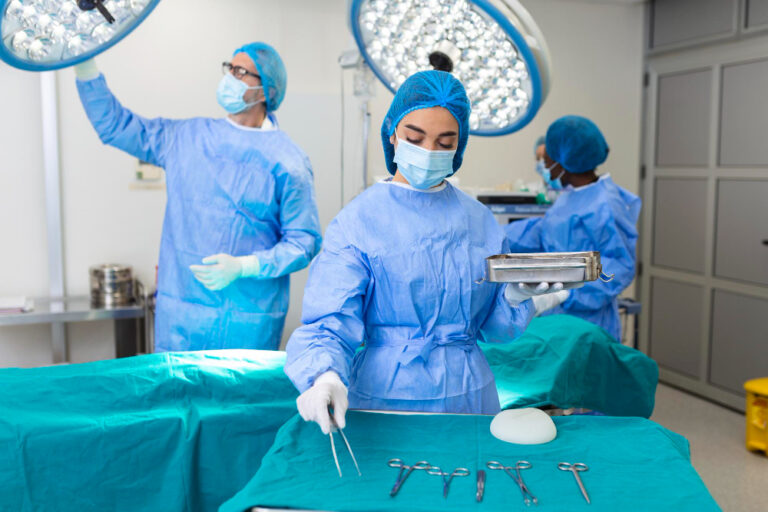
Advanced implant innovations have also contributed to the growth of minimally invasive surgical techniques. Modern implants are designed to be smaller, more efficient, and easier to insert, allowing surgeons to perform procedures with minimal disruption to surrounding tissues.
Minimally invasive surgeries offer numerous benefits, including reduced pain, shorter hospital stays, and faster recovery times. Patients can return to their daily activities more quickly, improving their overall quality of life.
This approach represents a significant shift in orthopedic care, focusing on patient comfort and rapid healing.
Smart Implants and Digital Integration
The integration of digital technology into orthopedic implants is opening new possibilities in patient care. Smart implants equipped with sensors can monitor various parameters such as pressure, temperature, and movement.
These implants provide real-time data that helps healthcare professionals track the healing process and detect potential complications early. This proactive approach allows for timely intervention, reducing the risk of implant failure and improving long-term outcomes.
Digital integration also supports better surgical planning and post-operative care, making the entire treatment process more efficient and effective.
Enhancing Patient Outcomes
The ultimate goal of advanced implant innovations is to improve patient outcomes. Modern implants are designed to restore mobility, reduce pain, and enable patients to lead active and independent lives.
Improved materials and designs ensure that implants last longer and perform better under daily stress. Faster recovery times and reduced complications contribute to higher patient satisfaction and better overall experiences.
These advancements are particularly beneficial for elderly patients and individuals with complex conditions, as they offer safer and more effective treatment options.
Commitment to Quality and Safety
As orthopedic implants play a critical role in patient health, maintaining high standards of quality and safety is essential. Manufacturers follow strict guidelines and international standards to ensure that their products meet the highest levels of performance and reliability.
Advanced testing methods, including mechanical and biocompatibility testing, are used to evaluate the durability and safety of implants. Sterilization and packaging processes are carefully controlled to prevent contamination and ensure readiness for surgical use.
This commitment to quality ensures that patients receive safe and effective treatment solutions.
The Future of Orthopedic Implant Innovation
The future of orthopedic implants is filled with exciting possibilities. Ongoing research and development are focused on creating even more advanced solutions, such as bioactive implants that promote faster healing and regenerative technologies that support natural tissue growth.
Artificial intelligence and machine learning are also being integrated into implant design and surgical planning, enabling more accurate and personalized treatments. These technologies have the potential to revolutionize bone care and set new standards in healthcare.
As innovation continues, the focus will remain on improving patient outcomes, enhancing efficiency, and delivering sustainable solutions.
Conclusion
Advanced implant innovations are redefining bone care by combining cutting-edge technology with medical expertise. From improved materials and precision engineering to 3D printing and smart implants, these advancements are transforming the way orthopedic conditions are treated.
By focusing on quality, innovation, and patient-centered solutions, the orthopedic industry is paving the way for a future where bone care is more effective, accessible, and reliable. For healthcare providers and manufacturers alike, embracing these innovations is key to delivering excellence and improving lives.